
Tanzania · Uganda · Zanzibar
12-Day Serengeti, Zanzibar and Gorillas Vacation Safari
- Serengeti
- Bwindi Impenetrable
- Kilimanjaro
- Masai Mara
Price on requestView trip
 Self DriveTanzania
Try “rooftop tent”, “Serengeti”, “park fees” or “one-way”.
Gorillas and golden monkeys on the Virunga volcanoes. About Mgahinga Gorilla National Park Mgahinga is Uganda’s smallest national park, about 34 km² in the far south-west corner of the country, where Uganda, Rwanda and the Democratic Republic of Congo meet.…
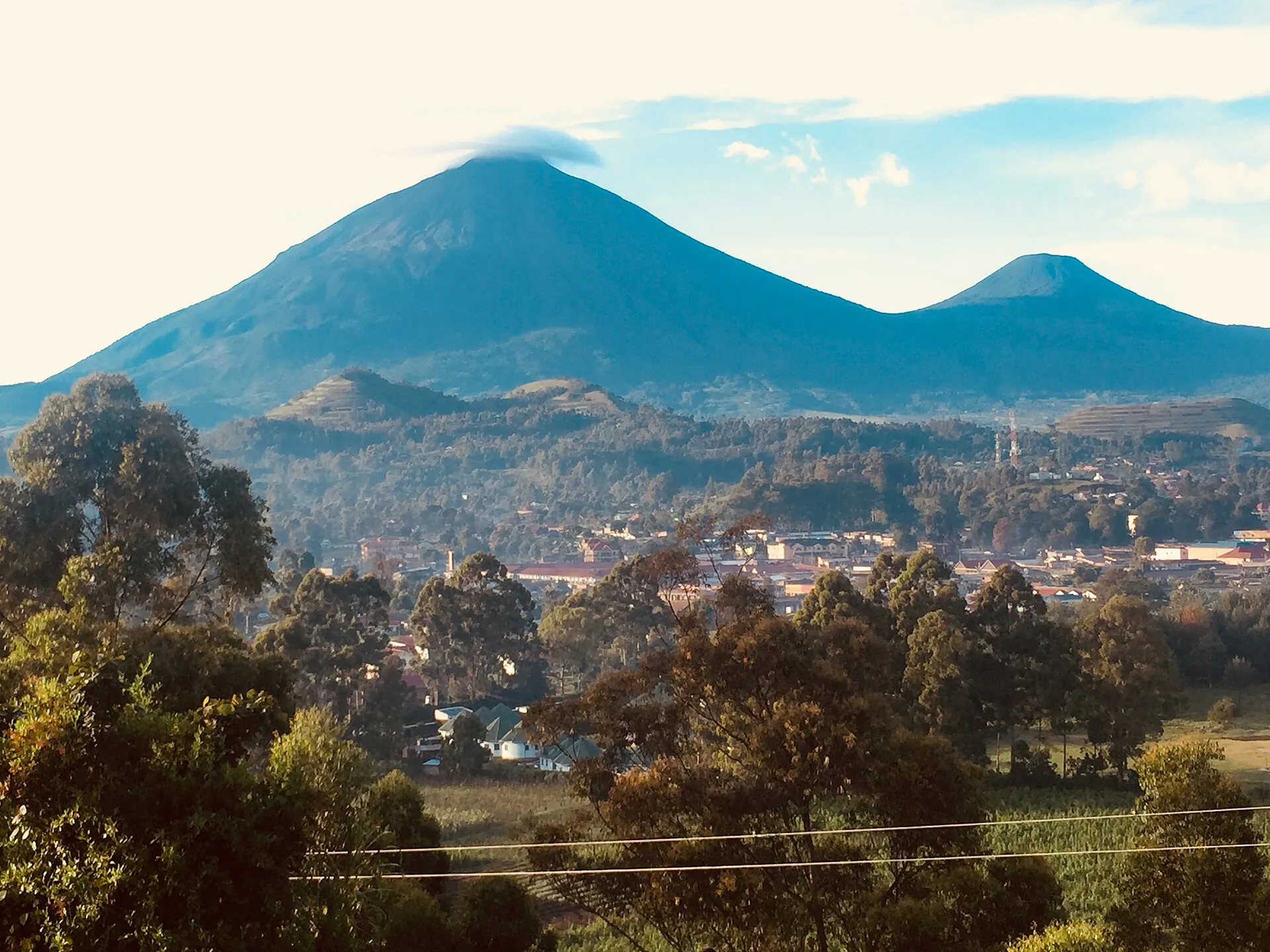
Mgahinga is Uganda’s smallest national park, about 34 km² in the far south-west corner of the country, where Uganda, Rwanda and the Democratic Republic of Congo meet. It protects the Ugandan slopes of three of the eight Virunga volcanoes: Muhabura (4,127 m), Gahinga (3,474 m) and Sabyinyo (3,669 m). Across the borders the same forest continues as Volcanoes National Park in Rwanda and Virunga National Park in Congo.
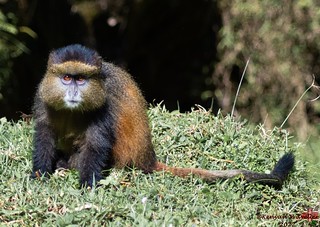
The park’s slogan is “where silver meets gold”: silverback mountain gorillas and the rare golden monkey, which lives only in the bamboo forest of the Virungas. It is much quieter than Bwindi, with one gorilla group and only a handful of lodges, and on a clear day the views across the volcanoes and the lakes of Kisoro are some of the finest in East Africa.
Mgahinga has one habituated gorilla family, the Nyakagezi group, so only eight gorilla permits are sold for the park each day. Treks start at Ntebeko visitor centre at about 8:00 with a briefing, then follow the ranger-guides up through farmland, bamboo and montane forest. Depending on where the group slept, the walk takes between two and five hours return, and you spend one hour with the gorillas.
Golden monkeys are a subspecies of the blue monkey with a bright orange-gold back, found only in the Virunga bamboo belt. A habituated troop of several dozen lives in the bamboo above Ntebeko. Tracking is easier than a gorilla trek: usually one to three hours on gentler slopes, with an hour in the bamboo watching the troop feed and leap between stems. The light under the bamboo is soft and green, which makes it a favourite for photographers.
Treks run all year. June to August and December to February are the driest months, with firmer trails and clearer views of the volcanoes. March to May and September to November bring heavy rain; the walks are muddier and the summits often in cloud, but the lodges are quieter. Nights are cold all year at this altitude, often below 10 °C, so pack a warm layer.
| Route | Distance | Driving time |
|---|---|---|
| Kigali – Cyanika border – Kisoro | about 120 km | 2.5–3 hours plus the border |
| Kisoro – Ntebeko gate | about 14 km | 45 minutes on a rough track |
| Kampala – Kisoro | about 480 km | 8–9 hours |
| Kisoro – Bwindi (Rushaga) | about 40 km | 1.5 hours |
The fastest approach is from Kigali, which is why many Tanzania road trips continue through Rwanda to Mgahinga. The last stretch from Kisoro to the park gate is a steep, rocky track where a 4×4 with good ground clearance is essential, especially after rain. Mgahinga pairs naturally with Rushaga, Bwindi’s southern sector, which is only an hour and a half away. If gorilla permits sell out in one park, the other often has space.
See crossing borders with a rental car for taking our 4×4 into Rwanda and Uganda.
There are a few lodges and community camps close to Ntebeko gate, and a wider choice in and around Kisoro town, 14 km away, which also has fuel, banks and a market. Staying near the gate saves a rough drive before a 7:30 briefing; staying in Kisoro or at Lake Mutanda, 30 minutes away, gives more choice and a lakeside setting.
Header photo: Mount Muhabura and Mount Gahinga by Rachel Ndyabawe, CC BY-SA 4.0, via Wikimedia Commons.
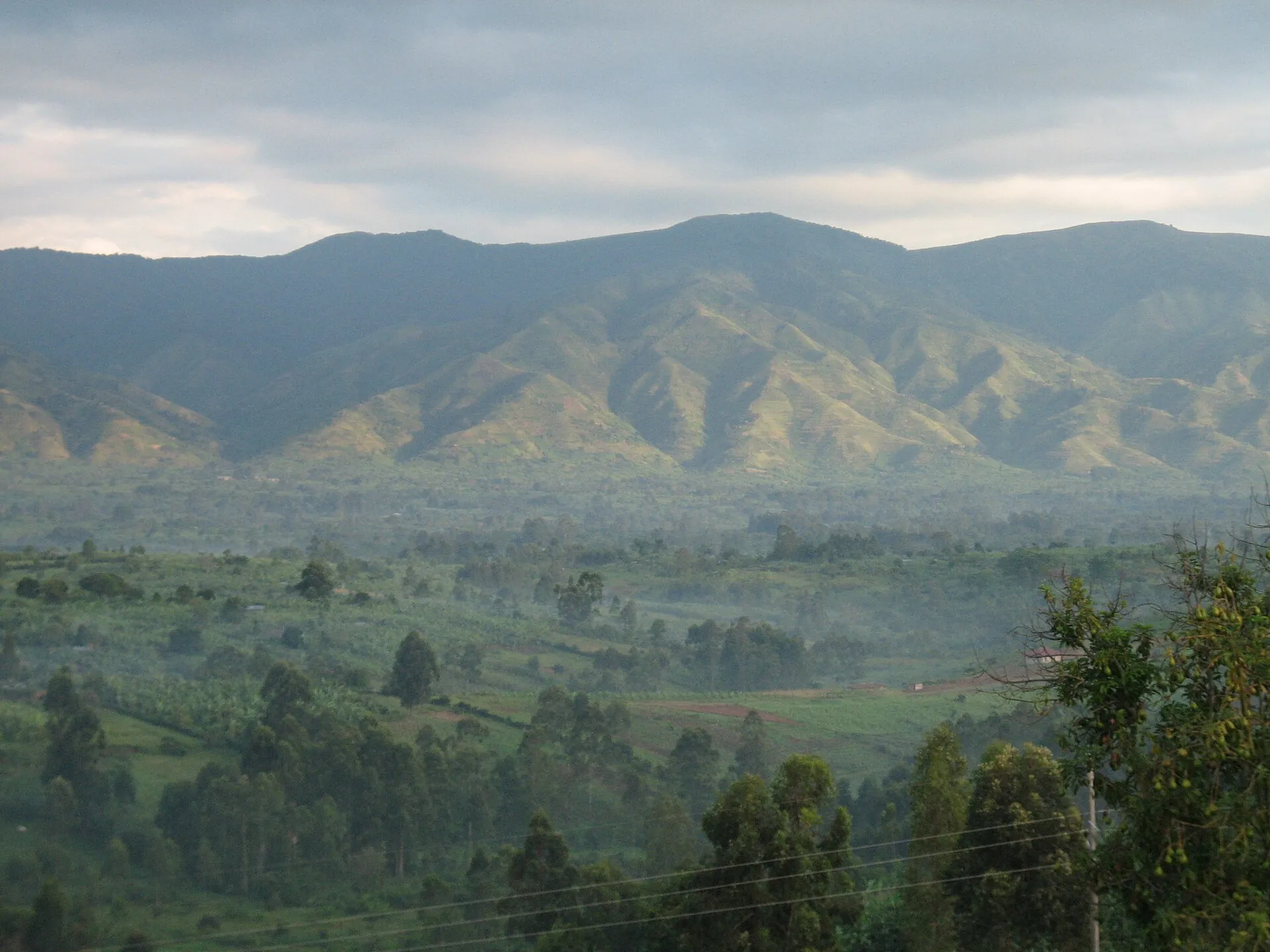 Rwenzori Mountains National Park: Trekking the Mountains of the Moon
The Mountains of the Moon.
Explore →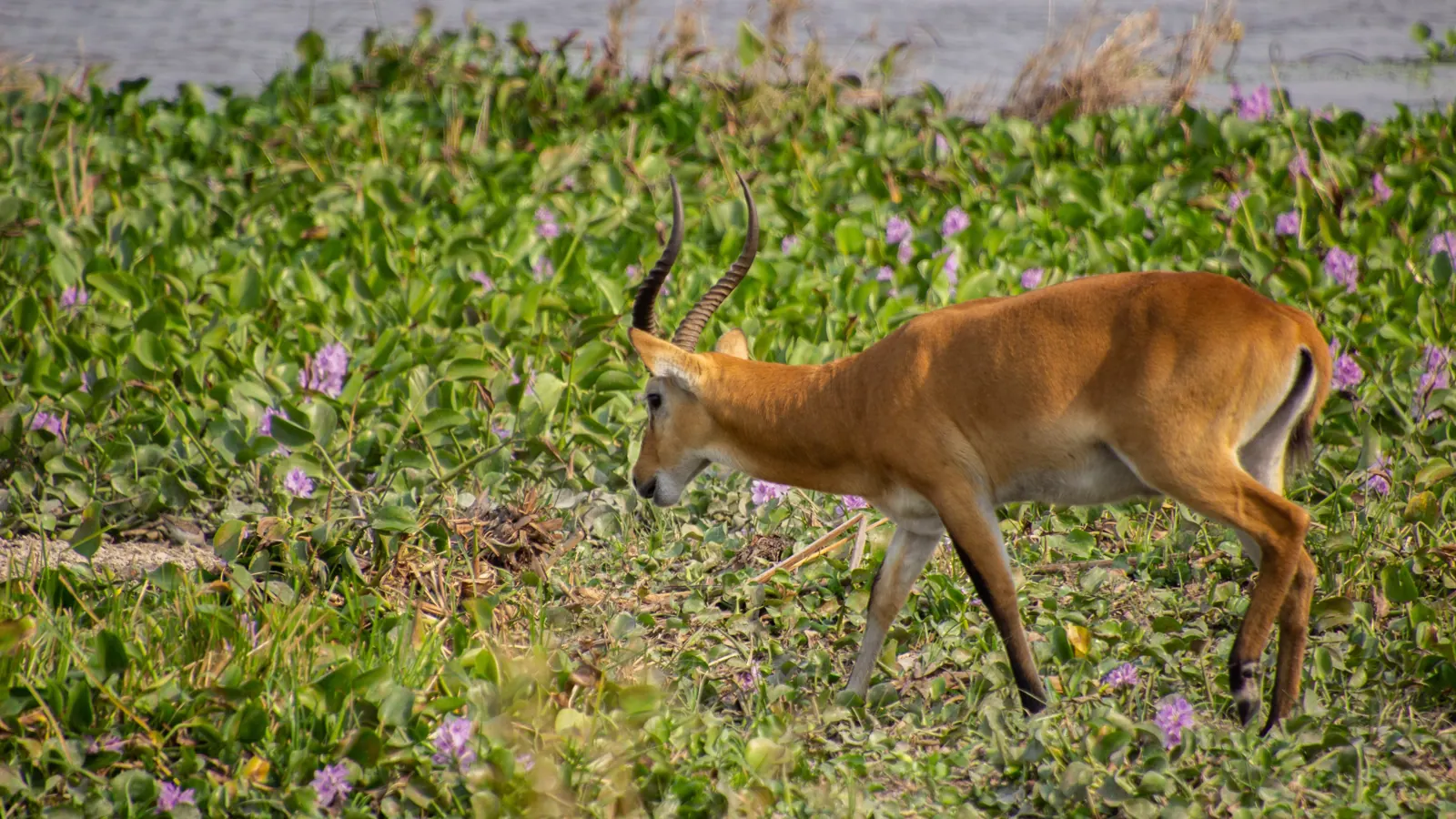 Kidepo Valley
Uganda’s remote north-east.
Explore →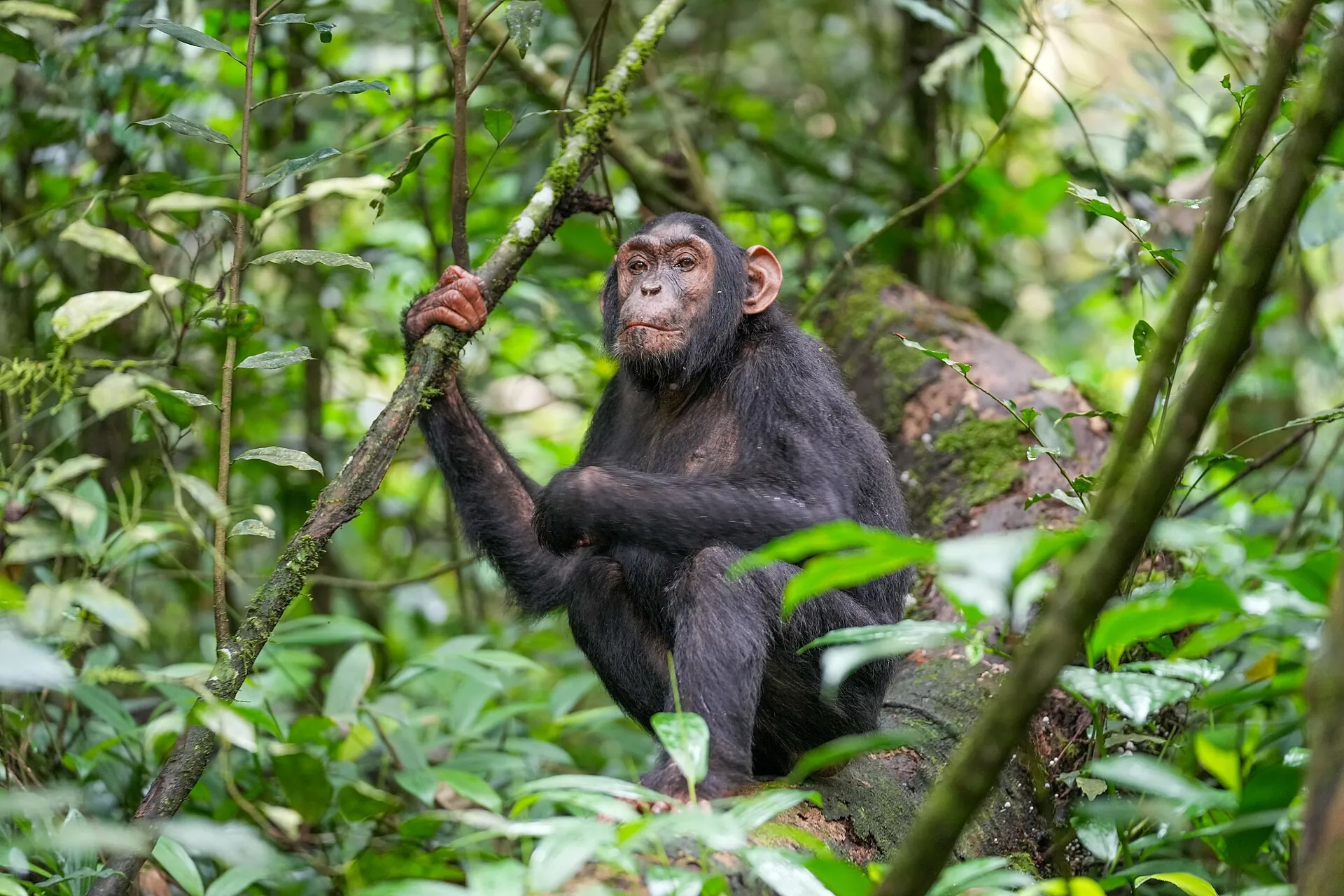 Kibale National Park: Chimpanzee Tracking on a Self-Drive
Chimpanzee tracking in rainforest.
Explore →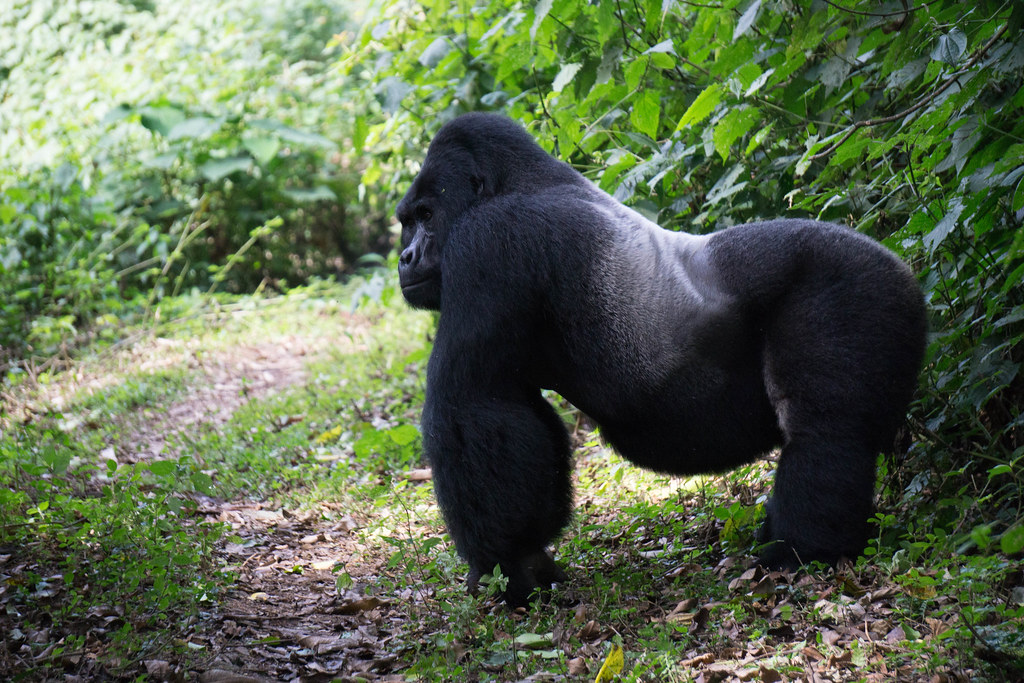 Bwindi Impenetrable National Park: Gorilla Trekking on a Self-Drive
Mountain gorilla trekking.
Explore →