
Self-Drive Safari in Tanzania from Kilimanjaro International Airport (JRO)
A self-drive safari in Tanzania starting from Kilimanjaro International Airport (JRO) is one of the most adventurous and rewarding ways to explore East Africa’s most iconic wildlife destinations. With the freedom to travel at your own pace, a 4×4 vehicle, and a well-planned route, you can experience Tarangire, Ngorongoro Crater, and the Serengeti on your own schedule.
This guide explains everything you need to know about planning a self-drive safari from Kilimanjaro.
Why Start Your Self-Drive Safari from Kilimanjaro?
Kilimanjaro International Airport (JRO) is the main gateway to Tanzania’s Northern Safari Circuit. It is conveniently located between Arusha and Moshi, making it the ideal starting point for self-drive travelers.
From JRO:
-
Arusha is approximately 1 hour by road
-
Tarangire National Park is about 2–3 hours
-
Ngorongoro Crater is 4–5 hours
-
Serengeti National Park is 6–8 hours
Most 4×4 rental companies are based in Arusha.
Best Route for a Self-Drive Safari (Northern Circuit)
The Northern Circuit is the safest and most practical route for independent travelers.
1. Arusha to Tarangire National Park
Tarangire is famous for:
-
Large elephant herds
-
Baobab trees
-
Excellent dry-season wildlife viewing
It is less crowded than Serengeti and perfect for your first safari day.
2. Tarangire to Ngorongoro Conservation Area
Ngorongoro Crater offers:
-
High density of wildlife
-
Black rhinos
-
Lions, buffalo, zebras, and hippos
You must pay an additional crater vehicle fee to descend into the crater.
3. Ngorongoro to Serengeti National Park
The Serengeti is world-famous for:
-
The Great Migration (seasonal)
-
Large lion populations
-
Cheetahs and leopards
-
Endless open plains
Driving times inside Serengeti can be long due to rough roads.
4. Return to Arusha or JRO
Recommended duration: 5–8 days.
Choosing the Right Vehicle
A proper 4×4 vehicle is essential. A standard SUV is not sufficient for park roads.
Recommended vehicle:
-
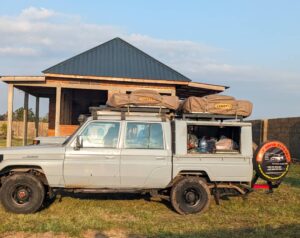
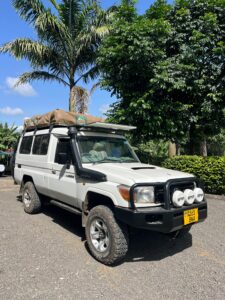
Toyota Land Cruiser (hardtop or pop-up roof)
-
High ground clearance
-
Low-range 4WD
-
Two spare tires
-
Recovery equipment
Optional additions:
-
Rooftop tent
-
Camping gear
-
Fridge
-
Extra fuel tank
Park Fees and Costs
Tanzania national park fees are charged per person per day and per vehicle.
Approximate non-resident rates (subject to change):
-
Serengeti: $70–$80 per person per day
-
Ngorongoro Conservation Area: around $70 per person per day
-
Ngorongoro Crater vehicle descent fee: approximately $250 per vehicle
-
Vehicle park entry fee: additional daily charge
Always check updated TANAPA rates before travel.
Self-Drive Camping vs Lodges
Camping

Public campsites inside parks offer:
-
Basic facilities
-
Lower accommodation costs
-
Authentic safari atmosphere
Wild animals may move through camps at night.
Lodges and Tented Camps
More comfortable but significantly more expensive. Ideal for travelers who prefer comfort over budget.
Best Time for a Self-Drive Safari
Dry Season (June to October)
-
Best wildlife visibility
-
Easier road conditions
-
Peak tourist season
January to February
-
Calving season in Serengeti
-
Excellent predator action
Rainy Season (March to May)
-
Lower prices
-
Difficult road conditions
-
Not ideal for inexperienced drivers
Important Things to Know Before Driving
Self-driving in Tanzania requires preparation.
Expect:
-
Rough gravel roads
-
No clear road signs inside parks
-
Limited mobile signal
-
Possible flat tires
-
Long driving hours
Download offline navigation apps such as:
-
Google Maps offline
-
Maps.me
-
iOverlander
Carry:
-
Extra water
-
Paper maps
-
Emergency contact numbers
-
Cash for gate payments if required
Estimated Budget for a 6–7 Day Self-Drive Safari
Camping option:
-
$1,200–$1,800 per person
Lodge option:
-
$2,000–$4,000+ per person
Costs vary depending on vehicle type, season, and accommodation choice.
Is a Self-Drive Safari Right for You?
Self-drive safaris are ideal if you:
-
Enjoy adventure and independence
-
Have experience driving off-road
-
Want flexibility in your schedule
-
Are comfortable navigating remote areas
A guided safari may be better if:
-
It is your first time in Africa
-
You prefer expert wildlife tracking
-
You want a stress-free experience
Final Thoughts
A self-drive safari from Kilimanjaro offers freedom, adventure, and unforgettable wildlife encounters. With proper planning, a reliable 4×4 vehicle, and realistic expectations about road conditions, you can experience Tanzania’s most famous parks on your own terms.
Whether camping under the stars in the Serengeti or exploring the Ngorongoro Crater at sunrise, a self-drive safari is one of the most immersive ways to discover Tanzania.