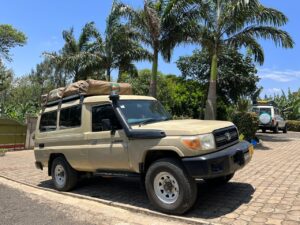
Tanzania Self-Drive Safari From November to February
A Complete Guide to Green Season Adventures in East Africa
Introduction
A self-drive safari in Tanzania between November and February is one of the most underrated travel experiences in Africa. While many travelers focus only on the classic dry-season safari months from June to October, the green season offers a completely different atmosphere — one filled with dramatic landscapes, vibrant wildlife activity, fewer crowds, and exceptional photography opportunities.
For adventurous travelers seeking flexibility, independence, and immersive exploration, this period provides the chance to experience Tanzania in a more authentic and natural way. The northern safari circuit becomes greener, temperatures remain pleasant, wildlife sightings continue to impress, and the famous wildebeest calving season reaches its peak in the southern Serengeti.
Whether you are planning a rooftop tent expedition, a camping safari, or a lodge-based self-drive journey, November to February can be an outstanding time to explore Tanzania by road.
This guide covers everything you need to know about a Tanzania self-drive safari during this season, including weather conditions, road situations, best parks, wildlife expectations, camping advice, driving tips, and itinerary recommendations.
Why Travel Between November and February?
The months between November and February are often referred to as Tanzania’s green season. The landscapes transform after seasonal rains, turning dry plains into lush ecosystems full of life. Rivers begin flowing again, vegetation thickens, migratory birds arrive, and many animals become more active.
Unlike the heavy rainy months of March, April, and May, the November to February period is usually manageable for self-drive safaris. Rain tends to fall in short bursts rather than all day, and many days remain sunny and clear.
This period offers several major advantages:
- Greener and more scenic landscapes
- Excellent wildlife viewing
- Fewer safari vehicles in parks
- Better photographic conditions
- Lower accommodation pressure
- Active predator sightings
- Peak wildebeest calving season
- Great temperatures for camping
- Outstanding birdwatching
For travelers who enjoy independent travel and adventure, this season can feel more rewarding than the crowded dry-season months.

Understanding Tanzania’s Weather During This Season
Understanding weather patterns is important when planning a self-drive safari.
November – The Short Rains
November marks the beginning of Tanzania’s short rainy season. These rains are usually light and scattered, often arriving in the late afternoon or evening.
Most mornings remain sunny, allowing excellent game drives and comfortable road travel.
The short rains help cool temperatures and refresh the landscape after the dry months.
What to Expect in November
- Warm temperatures
- Short afternoon showers
- Green landscapes beginning to emerge
- Less dust during game drives
- Improving scenery for photography
Roads in the northern circuit generally remain accessible, although some secondary tracks may become muddy after rainfall.
December – Transition Into Summer
December can vary depending on the year. Some weeks are dry and sunny, while others may receive occasional showers.
This is a festive travel season, especially around Christmas and New Year, so some lodges and camps become busier.
Wildlife remains active, and the Serengeti migration begins moving toward the southern plains.
December Highlights
- Pleasant weather
- Excellent camping temperatures
- Beautiful skies and landscapes
- Early migration movement
- Good road accessibility
January and February – Calving Season
January and February are among the most exciting safari months in Tanzania. These months are usually surprisingly dry in northern Tanzania, despite being part of the green season.
The southern Serengeti and Ndutu areas become the center of the wildebeest calving season.
Thousands of wildebeest calves are born every day, attracting predators such as lions, cheetahs, hyenas, and leopards.
Why January and February Are Special
- Peak predator activity
- Huge migration herds
- Green open plains
- Dramatic wildlife encounters
- Excellent weather conditions
- Exceptional photography opportunities
For many experienced safari travelers, this is one of the best wildlife periods of the year.
Best Self-Drive Safari Destinations

Serengeti National Park
The Serengeti is Tanzania’s most famous safari destination and one of the world’s greatest wildlife ecosystems.
During November to February, the southern Serengeti and Ndutu plains become incredibly active due to the migration and calving season.
The Calving Season Experience
The migration herds gather in the nutrient-rich short-grass plains where females give birth to thousands of calves.
Predators closely follow the herds, creating some of Africa’s most dramatic wildlife encounters.
Visitors may witness:
- Lion hunts
- Cheetah chases
- Hyena scavenging
- Wildebeest births
- Massive herd movements
Unlike river crossing season, calving season offers constant wildlife activity across the plains.
Self-Driving in Serengeti
Driving in the Serengeti requires preparation and confidence.
Important Tips
- Use a reliable 4×4 vehicle
- Carry spare tires
- Download offline GPS maps
- Leave early for long drives
- Refuel whenever possible
- Avoid night driving
Roads can become muddy after rain, especially around Ndutu and remote tracks.
However, with proper planning, the Serengeti remains very manageable for self-drive travelers.
Ngorongoro Conservation Area
The Ngorongoro Conservation Area is one of Tanzania’s most spectacular destinations year-round.
The crater floor provides reliable wildlife viewing regardless of season.
During the green season, the scenery becomes even more beautiful.
Why Visit During November to February?
The highlands surrounding the crater become lush and green, while misty mornings create dramatic safari scenery.
Wildlife remains excellent because many animals stay permanently inside the crater.
Animals Commonly Seen
- Lions
- Elephants
- Buffalo
- Zebras
- Hippos
- Hyenas
- Flamingos
- Black rhinos
Because wildlife concentrations remain high year-round, Ngorongoro is ideal for first-time safari travelers.
Tarangire National Park
Tarangire is often overlooked compared to Serengeti and Ngorongoro, but it becomes incredibly scenic during the green season.
The park is famous for:
- Giant baobab trees
- Large elephant herds
- Seasonal wetlands
- Diverse birdlife
During dry season, Tarangire attracts huge wildlife concentrations around the river. During November to February, animals spread across greener areas, creating a more natural safari atmosphere.
Advantages of Visiting Tarangire During Green Season
- Fewer crowds
- Beautiful landscapes
- Excellent birdwatching
- Easier accommodation availability
- Better photography lighting
The park’s roads generally remain accessible, making it ideal for self-drive travelers.
Lake Manyara National Park
Lake Manyara is one of the best parks to visit during the wetter months.
The combination of groundwater forest, lake ecosystems, and escarpment scenery creates a rich environment full of wildlife and birdlife.
Highlights During This Season
- Flamingos
- Pelicans
- Tree-climbing lions
- Monkeys
- Hippos
- Green forest scenery
Birdwatchers especially enjoy Manyara between November and February because migratory birds arrive in large numbers.
Arusha National Park
For travelers beginning their self-drive journey from Arusha, Arusha National Park provides an excellent introduction.
Although smaller than other parks, it offers:
- Scenic mountain views
- Forest wildlife
- Canoeing opportunities
- Walking safaris
- Fewer crowds
Mount Meru often appears beautifully clear after rains.
This park works well as the first or last stop of a self-drive itinerary.

Road Conditions and Driving Challenges
Road conditions during November to February vary depending on rainfall intensity and location.
Main roads between parks generally remain in good condition, but secondary tracks may become muddy or slippery after storms.
Common Driving Challenges
Muddy Tracks
After rainfall, some roads in Serengeti and Ndutu become difficult to navigate.
Reduced Visibility
Heavy rain can temporarily reduce visibility.
River Crossings
Some remote routes may experience temporary flooding.
Punctures
Sharp rocks and rough roads increase puncture risk.
Best Vehicle for the Season
A proper 4×4 safari vehicle is strongly recommended.
Ideal features include:
- High ground clearance
- Dual spare tires
- Rooftop tent option
- Fridge or cooler
- Recovery equipment
- Long-range fuel capacity
Toyota Land Cruisers are particularly popular for Tanzania self-drive safaris because of their durability and reliability.
Essential Self-Drive Tips
Start Early
Wildlife activity is best early in the morning, and road conditions are easier before afternoon rains.
Carry Extra Fuel
Fuel stations are limited in remote safari regions.
Download Offline Maps
Mobile signal disappears in many parks.
Avoid Night Driving
Wildlife, livestock, and poor visibility make night driving dangerous.
Respect Park Rules
Stay on designated roads and follow speed limits.
Camping During November to February
Camping is one of the best ways to experience Tanzania’s green season.
Temperatures remain comfortable, landscapes are greener, and campsites are often quieter than peak dry season.
Advantages of Green Season Camping
Cooler Temperatures
Camping becomes more comfortable compared to hotter months.
Better Atmosphere
Rain refreshes the environment, creating beautiful natural surroundings.
Fewer Tourists
Many campsites feel peaceful and remote.
Wildlife Sounds
Green season nights are alive with frogs, insects, birds, and distant predator calls.
Challenges of Camping
Although rewarding, camping requires preparation.
Rain Protection
Good waterproof equipment is essential.
Mud
Some campsites may become muddy after rain.
Wildlife Awareness
Animals remain active around campsites.
Gear Management
Keeping clothing and electronics dry becomes important.
Wildlife Viewing During This Season
Many travelers mistakenly believe wildlife viewing is poor during green season.
In reality, game viewing remains excellent.
Predator Activity
Predators become highly active during calving season because vulnerable newborn animals are abundant.
Lion prides, cheetahs, and hyenas are commonly seen hunting.
Birdwatching
This is one of Tanzania’s best birding seasons.
Migratory birds from Europe and Asia arrive, while resident birds display breeding plumage.
Elephant Herds
Tarangire and Serengeti still provide excellent elephant sightings.
Big Cats
Cheetahs particularly thrive in the open southern Serengeti plains during calving season.
Photography During Green Season
For photographers, November to February can be magical.
Why Photography Improves
Better Lighting
Cloud formations create dramatic skies and softer light.
Reduced Dust
Cleaner air improves visibility.
Green Landscapes
Photos appear richer and more vibrant.
Storm Atmospheres
Distant thunderstorms create dramatic safari scenery.
Animal Behavior
Calving season produces emotional wildlife moments.
Landscape photographers especially enjoy this season because Tanzania looks fresh and alive.
Suggested Self-Drive Itinerary
10-Day Northern Circuit Self-Drive Safari
Day 1 – Arrival in Arusha
Vehicle collection and safari preparation.
Day 2 – Tarangire National Park
Elephants and baobabs.
Day 3 – Lake Manyara
Forest wildlife and flamingos.
Day 4 – Ngorongoro Highlands
Scenic drive and crater rim overnight.
Day 5 – Ngorongoro Crater
Big Five safari experience.
Day 6 – Southern Serengeti
Drive toward Ndutu plains.
Day 7 – Ndutu Calving Season
Full-day migration safari.
Day 8 – Central Serengeti
Predator viewing.
Day 9 – Return Toward Karatu
Relaxed drive and overnight stay.
Day 10 – Return to Arusha
Vehicle return and departure.
This itinerary works extremely well between January and February.
Budget Considerations
Travel costs during green season can sometimes be lower than peak season.
Potential Savings
- Better accommodation rates
- Easier campsite availability
- Reduced peak-season pressure
- More flexible vehicle availability
However, festive season dates around Christmas and New Year may still be expensive.
Is This Season Suitable for First-Time Self-Drivers?
Yes, especially within Tanzania’s northern circuit.
The route between:
- Arusha
- Tarangire
- Lake Manyara
- Ngorongoro
- Serengeti
is well established and commonly used by independent travelers.
Why Beginners Can Enjoy It
- Good tourism infrastructure
- Reliable park systems
- Established campsites
- Available navigation tools
- Frequent traveler movement
Using a quality safari rental vehicle significantly improves safety and comfort.
Safety Considerations
Wildlife Safety
Never leave your vehicle in unsafe areas.
Weather Awareness
Monitor rain forecasts before remote drives.
Communication
Carry local SIM cards and emergency contacts.
Fuel Planning
Never allow fuel tanks to become too low in remote regions.
What to Pack
Packing properly is extremely important during this season.
Clothing
- Lightweight safari clothing
- Waterproof jacket
- Warm layer for Ngorongoro mornings
- Comfortable hiking shoes
Equipment
- Binoculars
- Camera gear
- Power banks
- Headlamp
- Offline GPS apps
Camping Gear
- Waterproof bags
- Extra blankets
- Dry storage containers
Advantages Over Peak Dry Season
Many experienced travelers prefer green season safaris because they feel more authentic and natural.
Key Benefits
Fewer Crowds
You may enjoy wildlife sightings without large vehicle traffic.
Better Landscapes
Green scenery transforms the safari experience.
More Dramatic Atmosphere
Storms and clouds create stunning safari moods.
Better Wildlife Behavior
Calving season increases predator interactions.
Improved Photography
Cleaner air and richer colors improve image quality.
Final Thoughts
A Tanzania self-drive safari between November and February offers a unique combination of adventure, scenery, wildlife, and freedom. It is a season filled with green landscapes, dramatic skies, exciting predator action, and unforgettable migration experiences.
For travelers willing to embrace occasional rain and changing road conditions, this period can deliver some of the most rewarding safari experiences in East Africa.
Whether you are camping beneath the stars in the Serengeti, driving through misty Ngorongoro highlands, or watching thousands of wildebeest calves take their first steps on the southern plains, a green season self-drive safari reveals a side of Tanzania many visitors never experience.
Instead of avoiding the season, adventurous travelers often discover that November to February becomes their favorite time to explore Tanzania by road.