11 Days Paradise in the Wilderness – Tanzania Explore: Kilimanjoro, Arusha, Tarangire, Manyara, Serengeti, Ngorongoro. 11 Days Paradise in the Wilderness
| TRIP DETAILS |
| REQUEST INFO |

Home Posts Tagged "tanzania self drive"
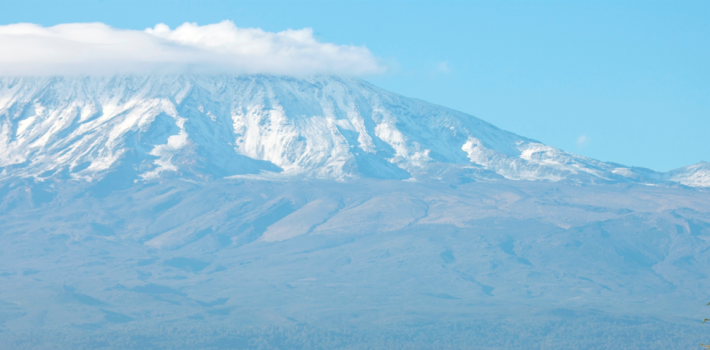
When visiting Mount Kilimanjaro, the primary reason for this safari for most travelers is to hike the Kilimanjaro Mountain. However other than this, you may also want to indulge in other activities or visit other sights and the nearby attractions. Here is a list of other things to do on a visit to Mountain Kilimanjaro.
Hiking Mount Kilimanjaro is the main activity that attracts tourists to this destination. Mountain Kilimanjaro is the tallest peak in Africa standing at 5895m towering over Kilimanjaro National Park with a variety of flora and fauna attracting a large number of hikers for years. This is a five to nine days hike through the different hiking routes to all its seven summits such as Lemosho route and offer magnificent views over the savannah grasslands. During this hike you will spot a number of animals on your way up such as black and white colobus monkeys, baboons, elephants and birds such as malachite sunbirds.
Mount Kilimanjaro hike is carried out in groups and involves spending nights in camps. Though the time spent on the mountain depends on the hiker’s choice, it is advisable to take the longer hikes since the summiting rates are high and ensure to dress appropriately as the temperatures keep dropping with increase in altitude due to the snowcapped peak.
The Materuni waterfall is a 90m waterfall in the foothills of Mount Kilimanjaro that collects water beautifully at the bottom forming a clear little pool. The hike to this waterfall is a moderately challenging hike that takes about 2 hours of walking on flat sections as well as uphill. It’s a 3 miles hike that takes you through the tropical rainforests, past the lush farmlands and exposes you to the views of Kibo and Moshi town. The best time for this hike is during the months of July through September which are the dry months since during the wet seasons the trails are wet and slippery.
Other activities you can add to their hike is a visit to the Kikuletwa Hot springs and a coffee tour among others.
The Kikuletwa Hot springs are one of the most beautiful places in Tanzania surrounded by fig and palm trees with winding roots. Even if it’s referred to as a hot spring, the water from Kikuletwa springs is warm and refreshing since its source is mountain Kilimanjaro which is snowcapped.
A swim in these hot springs is one of the activities one should not miss on the visit to the Kilimanjaro region. It is best to visit these hot springs after a Kilimanjaro hike as its perfect way of relaxing after the hike.
During this hike you may come across a number of wildlife such as the blue monkeys.
The Maasai are the most famous nomadic tribe in East Africa and live in the southern parts of Kenya and northern Tanzania. This tribe is renowned for its warrior nature, social organization in thatched villages, impressive jumping traditional dance, their brightly colored attires and wearing beaded jewelry.
The Olpopongi village, located on the western edge of the Kilimanjaro region is one of the Maasai villages in northern Tanzania offering amazing tours and fantastic visitors’ experience of the Maasai culture. This tour usually includes taking part in the traditional jumping dance, a guided nature walks through the Maasai village and also possibly make purchase of the local merchandise from the local people.
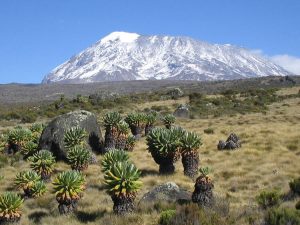
This coffee plantation is located north of Moshi on the lower slopes of Kilimanjaro since these areas are fertile due to the melted water from the arctic summit. These coffee farms are famous for growing 100% Arabica coffee.
This coffee tour involves walking around the coffee plantation and learning how this coffee is grown, harvested, roasted and ground. These coffee tours are done throughout the year however if you are interested in taking part in the harvesting process, the best time to visit these farms is between the months of July and September since it’s the time they are harvested. Between the months of October and November you will see the coffee bushes bloom with flowers.
After being taken through these processes, you may enjoy a cup of freshly brewed Arabica coffee. These process at times is accompanied by traditional singing and dancing by the Chagga people, a tribe that has lived along the southern and eastern slopes of mountain Kilimanjaro for centuries.
The Momela lakes are a group of seven shallow alkaline lakes located in the northeastern section of Arusha national park and are fed by water from underground. The Momela lakes inhabit a number of bird species both resident birds (water birds) such as flamingos, pelicans, Egyptian geese, great crested grebe, among others as well as various species of migratory birds. These lakes are always covered by hundreds of flamingos standing in the waters painting it pink when seen from a far.
During a visit to this lake, take part in a fantastic adventure by water on a canoe ride during which you will be able to enjoy the magnificent views over the grassland, bushes, forests and mount Meru to the west of the Momela lakes. Wildlife such as giraffes, buffaloes, zebras, hippos, waterbucks, and duikers among others can also be spotted.
North of Arusha, in the far eastern corner of Arusha National Park lies the Ngurdoto crater, a 4-kilometer-wide caldera with a beautiful lush vegetation and an abundant wildlife. The Ngurdoto crater is also sometimes referred to as the little Ngorongoro crater. Unlike the renowned Ngorongoro crater, the Ngurdoto crater is a no-go area as it’s reserved for the protection of wildlife therefore visitors are only allowed to hike along the western and southern rims of the crater and view the wildlife from above. Being a shallow caldera, the view of the wildlife and other attractions on the crater floor such as swamps, lush grassland, and forest are perfect. Wildlife spotted on the crater floor include giraffes, buffaloes, zebras, warthogs, baboons, black and white colobus monkeys, elephants, leopards, rhinos, hyenas, among others.
A visit to the Ngurdoto crater rim offers one of the best day hikes and walking safaris on a visit to Mount Kilimanjaro.
Mount Meru is a beautiful dormant volcanic mountain located on the western edge of Arusha National Park and it’s the second tallest mountain at 4566 meters high after Mount Kilimanjaro though initially it was the tallest before the peak of the mountain blew off. Since it’s quite close to Kilimanjaro National Park, mount Meru shares similar climate and vegetation zones with Kilimanjaro characterized by dense forests, meadows, giant lobelias, giant groundsels, and then finally montane desert however it lacks the ice fields and glaciers.
The peak of mount Meru can be visited on a 4-day or even sometimes a 3-day hike to the peak therefore a great place to visit for a hiker interested in a cheaper, less challenging, and shorter day hikes though it is not a beginner’s hike.
The hike to mount Meru is an amazing adventure worth experiencing as offers tourists exceptional views of the surrounding areas including Mount Kilimanjaro located 70km east of mount Meru, and the abundant wildlife at the lower slopes of this mountain such as monkeys, warthogs, buffaloes, elephants, giraffes since its rich in wildlife and bird species.
This is the biking experience at the base of Mount Kilimanjaro carried out in the Rau Forest reserve. These biking safaris are organized by the Rau Eco and Cultural tourism, a community-based youth tourism enterprise. It will take you through a number of villages such as the Mnono and Mabogini villages where you will visit the rice farms and interact with the local rice farmers then enjoy some of their delicacies such as the local banana beer and cuisines.
During the bike rides, you will come across a few primates and water birds and view them up-close such as the black and white colobus monkeys and the blue monkeys. You will also visit the African teak tree believed to be 196 years old and a sacred place of prayer among the locals.
[/vc_column_text]

11 Days Paradise in the Wilderness – Tanzania Explore: Kilimanjoro, Arusha, Tarangire, Manyara, Serengeti, Ngorongoro. 11 Days Paradise in the Wilderness
| TRIP DETAILS |
| REQUEST INFO |

Lake Victoria is one of the greatest lakes in east Africa and it covers an area of 68,800 km² Lake Victoria is shared by three countries only supplies the source of the Nile
| TRIP DETAILS |
| REQUEST INFO |

The 10 Days Gorillas, Serengeti and Lake Manyara Tour starts at the Entebbe International Airport to Bwindi Forest National Park
| TRIP DETAILS |
| REQUEST INFO |