Tanzania Self-Drive Safari with Zanzibar Extension
The Ultimate Bush-to-Beach African Adventure Imagine driving across the endless plains of the Serengeti at sunrise, spotting elephants beneath ancient baobab trees in Tarangire,…
 Self DriveTanzania
Try “rooftop tent”, “Serengeti”, “park fees” or “one-way”.
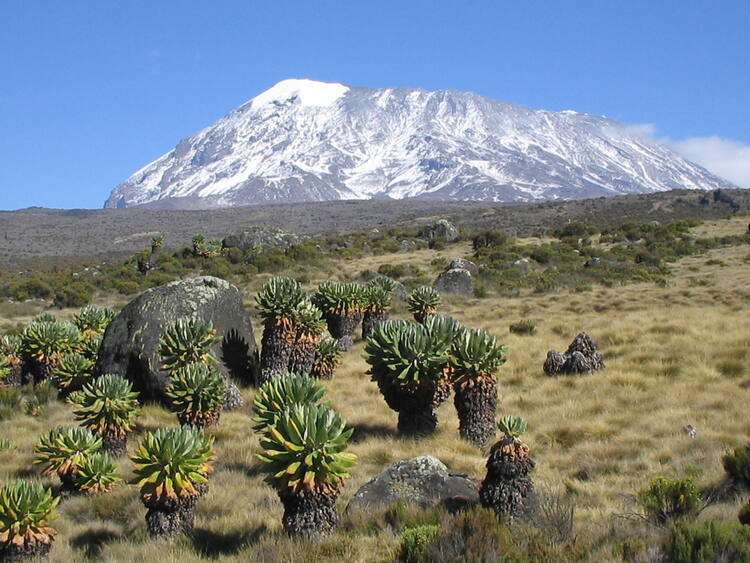
Set out on a remarkable adventure that combines the breathtaking scenery of a Tanzanian safari with the thrilling challenge of climbing Mount Kilimanjaro. From the summit of Africa’s Uhuru Peak (5,895m) to the center of the Serengeti’s wildlife sanctuary, this ideal adventure combo provides an unmatched East African experience. Find out why fusing these well-known experiences results in a genuinely remarkable trip memory.
Adventurers from all over the world are drawn to Tanzania because of its amazing scenery and unmatched wildlife. Timing is everything, whether your goal is to climb the magnificent Kilimanjaro or take in the Great Migration on an exhilarating safari. This thorough book examines the best times of year for both pursuits, guaranteeing a memorable trip to Tanzania.
Most people agree that the greatest time to go on safari and climb Kilimanjaro is during the dry season, which runs from June to October. The weather is clear, and it’s easy to spot wildlife. Both hobbies, however, are year-round and offer varying benefits according on the season.
Many people consider this to be the best time of year to climb Kilimanjaro.
Advantages:
Advantages:
The southern Serengeti wildebeest calving season is in full swing.
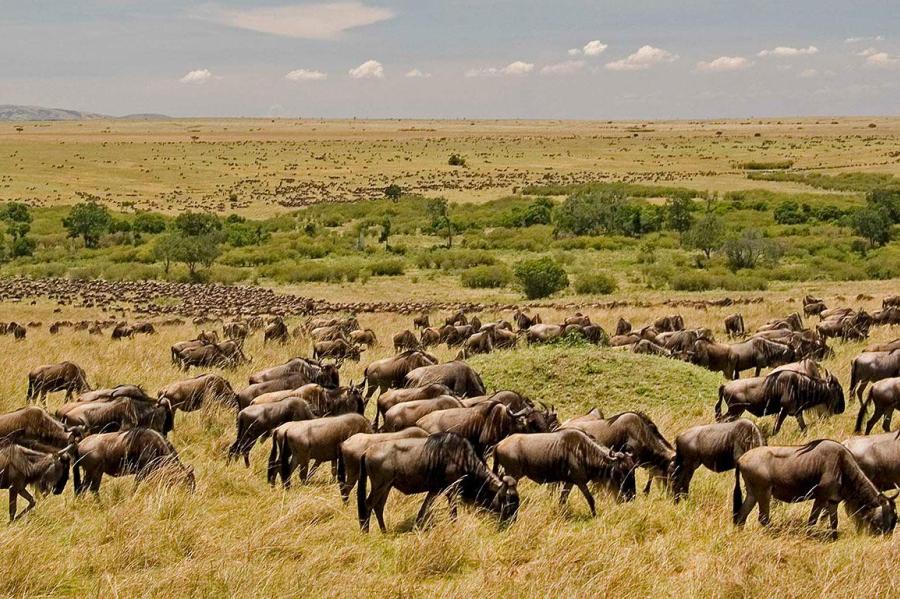
The highest peak in Africa, Mount Kilimanjaro, attracts travelers from all over the world. Making the correct climbing route choice is one of the most important factors when starting this famous journey. Every route offers a different experience, with differences in acclimatization profiles, scenery, and difficulty. The most well-traveled Kilimanjaro climbing routes are examined in this guide, which will assist you in selecting the best course for scaling the “Roof of Africa.”
The Machame Route is well-known among climbers for its varied landscapes and stunning vistas. It provides a demanding yet worthwhile hike that strikes a decent balance between acclimatization and difficulty. The “climb high, sleep low” feature of this route greatly increases success rates. Anticipate diverse landscapes, ranging from alpine deserts to rainforests.
Why it’s popular: Excellent for acclimatization, a high success rate, and picturesque vistas.
Because of its unspoiled scenery and less traffic, the Lemosho Route is highly valued for offering a more remote and engaging experience. It promotes greater acclimatization with its gradual elevation and breathtaking panoramic vistas. It usually takes 8 days to complete this trip, giving you plenty of time to become used to the higher altitude.
Why it’s popular: Beautiful surroundings, less crowds, and great acclimatization.
The oldest and historically most well-liked path is the Marangu path, also referred to as the “Coca-Cola” road. Since it’s the only route with hut lodgings, some people find it to be a comfortable option. Lower success rates, however, may result from its slow rise and shortened acclimatization period.
Why it’s popular: comparatively easy terrain and hut accommodation.
The steepest and most difficult route is the Umbwe Route, which is intended for experienced climbers looking for a quick ascent. It has a steep and straightforward ascent that calls for exceptional physical preparedness and acclimatization. For novices, this is not the suggested route.
Why it’s popular: Extremely difficult, quick climb, best suited for seasoned climbers.
The Rongai Route, which approaches from the north, is a suitable choice during the wet season since it offers a more gradual rise and a dryer atmosphere. It is also renowned for its serene and isolated ambiance.
Why it’s popular: less congested, a slower ascent, and a drier temperature.
With its unmatched wildlife encounters and stunning landscapes, Tanzania is the jewel in the crown of African safaris. Tanzania offers a wide variety of safari experiences for all types of tourists, from the iconic Serengeti plains to the breathtaking Ngorongoro Crater. This book will explore the most popular safari destinations in Tanzania, emphasizing the distinctive features of each park and offering advice on how to organize the ideal trip.
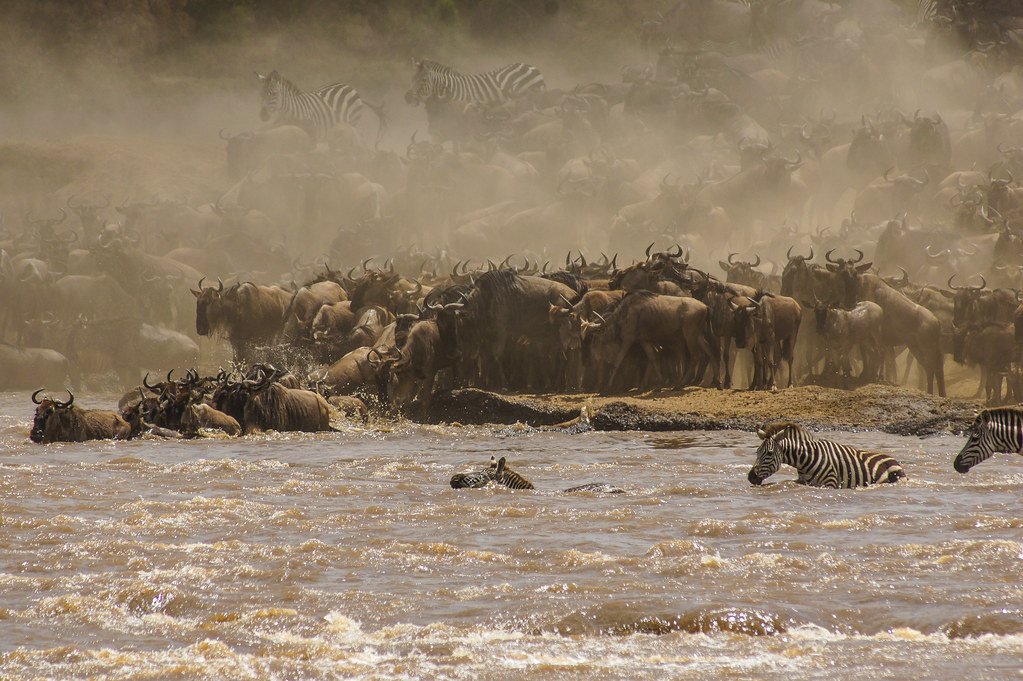
The Great Migration, which involves millions of wildebeest, zebras, and gazelles moving across the wide plains in pursuit of new grazing, is closely associated with the Serengeti National Park. Because of this natural occurrence as well as the large number of predators in the area, any safari fan should make time to visit the Serengeti.
Wildlife abounds in the enormous volcanic crater known as the Ngorongoro Crater, which is also a UNESCO World Heritage Site. Often called “Africa’s Garden of Eden,” this natural amphitheater offers a focused safari experience unlike any other.
The famous baobab trees and enormous elephant populations of Tarangire National Park are well-known attractions. When the Tarangire River dries up, the park becomes a refuge for animals.
The varied ecosystems of Lake Manyara National Park provide a one-of-a-kind safari experience. These ecosystems include acacia woods, groundwater forests, and the alkaline Lake Manyara. The lions that climb trees and the abundance of birds make this place famous.
Looking for an African trip that will test your physical limits while allowing you to see rare and exotic animals up close and personal? The answer is a safari to Tanzania that includes climbing Kilimanjaro. Picture yourself on top of the world, ready to explore the breathtaking national parks of Tanzania, where the Great Migration and the ‘Big Five’ call home. This trip will change you more than any vacation ever will.
Transferring to Moshi or Arusha, the gateway city to Kilimanjaro, is the first leg of your Kilimanjaro journey, which starts at Kilimanjaro International Airport (JRO). Take part in an important pre-climb briefing to make sure you’re ready for the challenges of high altitude and that your gear is optimum. The acclimation and final preparation phases are facilitated by this stage.
Game drives, animal watching, and cultural activities.
Your journey will end at Kilimanjaro International Airport (JRO).
The picturesque Machame, the less popular Lemosho, the traditional Marangu, or the dry Rongai are the four famous Kilimanjaro routes to choose from. Different routes provide different acclimatization profiles and scenery. Uhuru Peak, sometimes called the “Roof of Africa,” is the final objective of the 6- to 8-day hike. Successful ascents require physical fitness and the right equipment.
After you’ve climbed Kilimanjaro, spend some time at one of Tanzania’s famous animal parks. Discover the Great Migration in the Serengeti, see tree-climbing lions at Lake Manyara, explore the elephant herds of Tarangire, and see the varied environment of Ngorongoro Crater. Tours to Maasai villages, wildlife drives, and walking safaris are all on the menu. There is a wide variety of lodging options, from elegant resorts to traditional tented camps.
The Kilimanjaro Machame Route walk, which takes place over the course of six days, is the first leg of a remarkable ten-day experience through Tanzania. Machame, on the so-called “Whiskey Route,” increases your chances of reaching Uhuru Peak (5,895m) by providing better acclimatization and more breathtaking views.
After you’ve conquered Kilimanjaro, go on a four-day safari to see Tanzania’s famous animals. Behold the Great Migration and the ‘Big Five’ in their native terrain.
Discover Tarangire, a park famous for its baobab trees and large elephant population. Have fun on a game drive all day long. Stay the night in a campground, resort, or tented camp.
Visit the Serengeti, the legendary site of the Great Migration. Drive in the afternoon for gambling. The Serengeti at night.
Game drives in the Serengeti all day long, looking for buffalo, lions, leopards, elephants, and rhinos. Marvel at the expansive grasslands and plethora of animals.
An early morning game drive over the Serengeti, then a descend into the Ngorongoro Crater, an open-air amphitheater for wildlife. Drive in the afternoon for game drive. Hurry back to Arusha.
Return to your home via Kilimanjaro Airport
Are you planning a safari in Tanzania and a climb of Kilimanjaro? Our all-inclusive packing list for the Kilimanjaro climb and Tanzania safari will guarantee a successful adventure. Everything you need for high-altitude conditions and wildlife encounters is covered, from necessary trekking gear to safari apparel. Find out what you need to bring on your trip to ensure your comfort and safety.
Are you prepared to begin your Tanzania Safari and Climbing Kilimanjaro adventure? Get in touch with us today to begin organizing your ideal vacation. Depending on your needs and budget, we may tailor a plan just for you.
Optional Tours:
Health Requirements:
Ask our team in Arusha. We usually reply the same day.
Send your dates and route. We reply with vehicle options and a full price, usually the same day.
The Ultimate Bush-to-Beach African Adventure Imagine driving across the endless plains of the Serengeti at sunrise, spotting elephants beneath ancient baobab trees in Tarangire,…
A safari regardless of whether it is is guided safari or self drive safari is one of the most amazing and memorable vacations worth…
Self-drive safaris can offer a unique and immersive experience in wildlife areas, with chances to explore at your own timing and connect with nature.…