

Petrol Stations Along the Serengeti Route: The Complete Self-Drive Fuel Guide
Planning a self-drive safari from Arusha to Serengeti National Park is one of the most rewarding travel experiences in Africa—but it comes with a serious logistical challenge: fuel management.
Unlike city driving, a safari route into northern Tanzania’s wilderness requires careful planning, strategic refueling stops, and backup fuel preparation. Petrol stations become fewer and farther between as you move toward the conservation areas, and once inside the Serengeti, fuel access is extremely limited.
This comprehensive guide walks you through every realistic petrol stop along the Serengeti route, practical fuel strategies, distances, insider tips, and common mistakes to avoid—especially for self-drive travelers.
🚗 Overview of the Serengeti Route
The most common self-drive route follows this path:
Arusha → Mto wa Mbu → Karatu → Ngorongoro Conservation Area → Serengeti National Park
Approximate Distance & Driving Time
- Total distance: 325–400 km depending on route
- Driving time: 6–8 hours (excluding game drives and stops)
While that may not seem extreme, the terrain, park regulations, and remote conditions make fuel consumption higher than normal.
⛽ Why Fuel Planning Is Critical
Driving in northern Tanzania is not like driving on a highway. Once you leave Arusha:
- Petrol stations become infrequent
- Roads become rough and dusty
- Fuel consumption increases by 20–40%
- Detours inside parks add extra mileage
Inside Serengeti National Park, you can easily drive 100–200 km per day on game drives alone.
👉 Running out of fuel here is not just inconvenient—it can be dangerous and expensive.
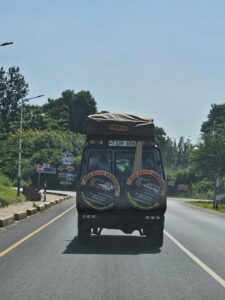
⛽ Petrol Stations in Arusha (Your Starting Point)
Before leaving Arusha, you’ll find multiple reliable petrol stations. This is where your journey begins—and your fuel strategy should too.
Major Fuel Options in Arusha
- TotalEnergies
- Puma Energy
- Oryx Energies
Why Fill Up Here?
- Consistent fuel quality
- Availability of both petrol and diesel
- Tire pressure, oil, and basic vehicle checks
- Convenience stores for snacks and supplies
👉 Golden Rule: Always leave Arusha with a full tank.
⛽ Arusha to Mto wa Mbu: Early Route Fuel Stops
As you leave Arusha heading west toward Mto wa Mbu, you’ll still encounter a few fuel stations along the highway.
What to Expect
- Small-town petrol stations
- Slightly less reliable supply than Arusha
- Basic services only
Should You Stop Here?
If your tank is already full from Arusha, you likely won’t need to stop—but this is your last chance before Karatu if anything seems off with your fuel levels.
⛽ Karatu: The Most Important Refueling Stop
Karatu is the last major and reliable fuel stop before entering the conservation areas.
Why Karatu Is Critical
- Multiple functioning petrol stations
- Regular fuel supply (though shortages can occur)
- Last point with mechanics and shops
What You MUST Do in Karatu
- Fill your tank completely (even if it’s half full)
- Buy extra supplies
- Check tire pressure and vehicle condition
👉 This is your final guaranteed fuel stop before entering remote areas.
⛽ Beyond Karatu: Fuel Becomes Scarce
After Karatu, you enter Ngorongoro Conservation Area.
Fuel Situation Here
- No public petrol stations
- No guaranteed fuel access
- Long distances between destinations
From here onward, you are officially in remote safari territory.
⛽ Fuel Inside Serengeti National Park
Once inside Serengeti National Park, fuel availability is extremely limited.
1. Seronera Fuel Station (Central Serengeti)
- Located in the Seronera area (central region)
- Main fuel point inside the park
- Offers petrol and diesel
Limitations
- Limited supply
- Occasional long queues
- Sometimes runs out of fuel
- Cash often required
👉 Treat this as a backup option, not your primary plan.
2. Ikoma Fuel Station (Western Corridor)
- Located near Ikoma Gate
- Serves travelers in western Serengeti
When Is It Useful?
- If you enter/exit via western corridor
- If doing extended Serengeti exploration
⛽ Fuel Consumption in the Serengeti
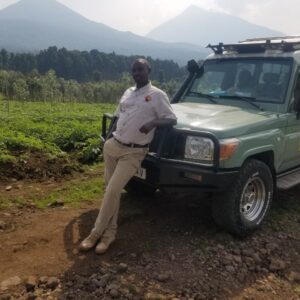
Driving inside the park consumes more fuel than expected due to:
- Rough roads
- Low-speed driving
- Frequent stops
- Long game drives
Typical Consumption Estimates
- 4×4 Land Cruiser: 8–12 km per liter
- Daily game drive: 80–150 km
👉 A full tank can disappear faster than you expect.
🛢️ Should You Carry Extra Fuel?
Yes—absolutely.
Carrying a jerrycan is standard practice for self-drive safaris.
Recommended Fuel Reserve
- Minimum: 20 liters
- Ideal: 20–40 liters
Benefits
- Peace of mind
- Flexibility for longer game drives
- Backup in case stations are empty
⚠️ Common Fuel Mistakes to Avoid
1. Assuming Stations Are Frequent
They are not—especially after Karatu.
2. Skipping Karatu Refuel
This is the biggest mistake travelers make.
3. Relying on Seronera
Fuel may not always be available.
4. Not Carrying Extra Fuel
Risky, especially for longer routes.
5. Ignoring Fuel Consumption Rates
Safari driving uses more fuel than highway driving.
🧭 Recommended Fuel Strategy (Step-by-Step)
Step 1: Start in Arusha
Fill your tank completely.
Step 2: Drive to Karatu
Top up again—even if you don’t need it.
Step 3: Enter Ngorongoro & Serengeti
Use fuel efficiently and monitor levels.
Step 4: Use Backup Fuel
Only if necessary.
Step 5: Refuel Inside Serengeti (Optional)
At Seronera if available.
🗺️ Route Variations and Fuel Considerations
Southern Serengeti Route
- Longer distances
- Fewer fuel options
- Higher fuel requirement
Northern Serengeti Route
- Remote and extended driving
- Requires extra fuel planning
Western Corridor Route
- Access to Ikoma fuel station
- Still requires backup fuel
🛠️ Vehicle Preparation Tips
Before leaving Arusha, ensure:
- Full tank
- Spare tire
- Proper tire pressure
- Engine oil checked
- Fuel jerrycan secured
💡 Expert Tips for Self-Drive Travelers
- Start early to maximize daylight driving
- Track fuel consumption daily
- Avoid unnecessary detours
- Ask locals or rangers about fuel availability
- Keep cash for remote fuel stations
🚗 Why Proper Fuel Planning Matters
A well-planned fuel strategy ensures:
- Stress-free travel
- More time for wildlife viewing
- Safer driving experience
- Better itinerary control
📍 Final Thoughts
Driving from Arusha to Serengeti National Park is an unforgettable journey—but only if properly prepared.
Fuel is not just a convenience—it’s a critical part of your safari logistics.
By planning your refueling stops, carrying extra fuel, and understanding the route, you’ll avoid the most common pitfalls and enjoy a seamless self-drive experience across one of Africa’s most iconic landscapes.
🚀 Ready to Plan Your Self-Drive Safari?
If you’re organizing a trip to Serengeti National Park, consider:
- Booking a reliable 4×4 vehicle
- Getting a customized route plan
- Receiving expert local guidance
A well-prepared journey transforms your safari from stressful to spectacular.