
Mkata Floodplain: The Wildlife Heart of Mikumi National Park
Introduction
Nestled within the vast landscapes of Mikumi National Park, the Mkata Floodplain stands as one of Tanzania’s most remarkable wildlife destinations. Often described as the centerpiece of Mikumi, this expansive grassland ecosystem attracts thousands of visitors every year who come to witness its incredible concentration of wildlife, breathtaking scenery, and classic African safari atmosphere.
For many travelers, the Mkata Floodplain is the image that comes to mind when they think about Mikumi National Park. Endless golden grasslands stretch toward distant mountain ranges, while herds of zebras, buffaloes, wildebeests, and elephants roam freely across the open plains. Lions lounge beneath acacia trees, giraffes move gracefully across the horizon, and numerous bird species thrive around seasonal wetlands.
Located only a few hours from Dar es Salaam, Mikumi National Park offers one of the most accessible safari experiences in Tanzania, and nowhere showcases the park’s beauty better than the Mkata Floodplain. Whether you are a first-time safari visitor, an experienced wildlife photographer, or a self-drive adventurer exploring Tanzania’s national parks, the floodplain delivers unforgettable encounters with nature.
This article explores everything you need to know about the Mkata Floodplain, including its geography, wildlife, birdlife, safari experiences, photography opportunities, seasonal changes, conservation importance, and why it remains one of Tanzania’s most rewarding safari destinations.
Understanding the Mkata Floodplain
The Mkata Floodplain is a vast open savannah ecosystem situated in the northern section of Mikumi National Park. It is formed by the Mkata River and several seasonal streams that flow through the park. During the rainy season, water spreads across large sections of the plain, enriching the soil and supporting the growth of nutrient-rich grasses.
As the floodwaters recede, the area transforms into an extensive grazing ground that attracts large numbers of herbivores. The fertile soils and abundant vegetation make it one of the most productive wildlife habitats in Tanzania’s southern safari circuit.
Unlike many heavily wooded regions of East Africa, the Mkata Floodplain is characterized by wide-open landscapes that provide exceptional visibility. Visitors can often spot wildlife from great distances, making game viewing easier and more enjoyable.
The floodplain’s open nature has earned it comparisons with the Serengeti. Although much smaller than Tanzania’s famous northern park, the Mkata Floodplain offers a similar sense of space and freedom, with sweeping vistas extending to the horizon.
The Geography and Landscape
One of the first things visitors notice about the Mkata Floodplain is its dramatic scenery. The floodplain is framed by mountain ranges that create a stunning backdrop to the grasslands below.
To the east rise the Uluguru Mountains, while the Rubeho Mountains dominate parts of the western skyline. These mountains add depth and beauty to the landscape, especially during sunrise and sunset when changing light conditions transform the colors of the plains.
The terrain consists primarily of open grasslands interspersed with scattered acacia trees, seasonal wetlands, and patches of woodland. During the wet season, portions of the floodplain become flooded, creating temporary lakes and marshes that attract waterbirds and other wildlife.
As the dry season progresses, these water sources shrink, concentrating animals around the remaining pools and creating spectacular wildlife viewing opportunities.
The combination of mountains, grasslands, wetlands, and river systems creates a diverse ecosystem capable of supporting a remarkable variety of plant and animal life.
Why the Mkata Floodplain is Famous
The Mkata Floodplain has become famous primarily because of its exceptional wildlife viewing. Unlike dense forests where animals can remain hidden, the open plains make it possible to observe wildlife in its natural habitat with minimal obstruction.
Visitors often encounter multiple species within a single game drive. Large herbivore herds attract predators, creating dynamic ecosystems where wildlife interactions occur regularly.
The floodplain is also renowned for its accessibility. Located near the main road that connects Dar es Salaam to Zambia, Mikumi National Park is one of Tanzania’s easiest parks to reach. This accessibility allows both local and international tourists to experience authentic African safaris without lengthy domestic flights.
Another reason for its popularity is the relatively low visitor density compared to some of Tanzania’s northern parks. Travelers can enjoy impressive wildlife encounters while experiencing a quieter and more relaxed safari atmosphere.
Wildlife of the Mkata Floodplain
The floodplain supports an extraordinary concentration of wildlife. The availability of water and nutritious grasses attracts numerous herbivores, which in turn support healthy predator populations.
Elephants
African elephants are among the most iconic residents of the Mkata Floodplain. These magnificent animals can frequently be seen moving across the grasslands in family groups.
Elephants often congregate near water sources, especially during the dry season. Watching a herd interact, feed, and care for its young provides one of the most memorable safari experiences available in Mikumi National Park.
The open terrain offers excellent opportunities to observe elephant behavior from a safe distance while appreciating their immense size and intelligence.
Buffaloes
Cape buffaloes are abundant throughout the floodplain. Large herds sometimes number in the hundreds, grazing peacefully across the open grasslands.
These powerful animals play an important role in shaping the ecosystem through their grazing activities. Their presence also attracts predators such as lions, contributing to the ecological balance of the floodplain.
Zebras
The plains zebra is one of the most commonly seen animals on the Mkata Floodplain. Their distinctive black-and-white stripes create striking visual scenes against the golden grasslands.
Zebras often gather in large groups alongside wildebeests and other grazers. Their social behavior and constant vigilance make them fascinating subjects for wildlife observation and photography.
Wildebeests
Wildebeests are another important species inhabiting the floodplain. While their numbers do not approach the scale of the Serengeti migration, they remain a significant component of Mikumi’s ecosystem.
Large groups can often be seen grazing throughout the floodplain, contributing to the area’s Serengeti-like appearance.
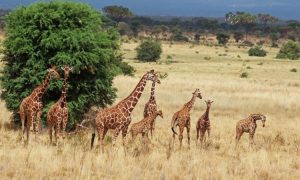
Giraffes
Masai giraffes are among the most elegant animals found in Mikumi National Park. Their long necks allow them to browse leaves from acacia trees scattered throughout the floodplain.
Giraffes are frequently observed walking across the plains in small groups. Their graceful movements and distinctive patterns make them a favorite among visitors.
Antelope Species
Numerous antelope species thrive within the Mkata Floodplain ecosystem. Commonly encountered species include impalas, elands, hartebeests, and waterbucks.
Each species occupies a unique ecological niche, contributing to the overall biodiversity of the region. Their abundance provides a stable food source for predators.
Predators of the Floodplain
No safari experience is complete without the possibility of encountering Africa’s great predators.
Lions
The Mkata Floodplain is particularly well known for its lion population. Lions frequently use termite mounds and shaded areas as resting spots during the day.
Visitors often observe prides resting near water sources or stalking prey across the grasslands. The open environment provides exceptional opportunities for wildlife viewing and photography.
Leopards
Although more elusive than lions, leopards inhabit parts of Mikumi National Park. They tend to favor wooded areas near the floodplain where they can remain concealed.
Spotting a leopard requires patience and luck, but sightings do occur regularly enough to excite safari enthusiasts.
Hyenas
Spotted hyenas are common throughout the floodplain. These intelligent and adaptable predators play an essential role in maintaining ecological balance.
Visitors may observe hyenas scavenging, hunting, or interacting socially within their clans.
Birdlife on the Mkata Floodplain
Bird enthusiasts will find the Mkata Floodplain particularly rewarding. The combination of grasslands, wetlands, and woodlands supports hundreds of bird species.
During the rainy season, temporary wetlands attract numerous waterbirds including herons, storks, egrets, and ibises. Raptors such as martial eagles, fish eagles, and bateleurs patrol the skies above the plains.
Colorful species including lilac-breasted rollers, bee-eaters, kingfishers, and hornbills add vibrant flashes of color to the landscape.
For photographers and birdwatchers alike, the floodplain offers excellent opportunities to observe birds in their natural habitats.
Seasonal Changes in the Floodplain
The character of the Mkata Floodplain changes dramatically throughout the year.
Green Season
The rainy season transforms the floodplain into a lush green paradise. Fresh grasses emerge rapidly, attracting grazing animals and creating ideal conditions for birdlife.
Young animals are commonly born during this period, adding excitement to wildlife viewing experiences.
Cloud formations and dramatic skies provide spectacular photography opportunities.
Dry Season
The dry season is widely regarded as the best time for wildlife viewing. As water becomes scarce, animals concentrate around permanent sources, making sightings more predictable.
Vegetation becomes shorter, improving visibility and increasing the chances of observing predators and prey interactions.
For photographers, the golden tones of the dry season create classic safari imagery.
Self-Drive Adventures on the Mkata Floodplain
One of the unique advantages of Mikumi National Park is its suitability for self-drive safaris.
The road network around the floodplain is relatively accessible and well maintained compared to many remote African parks. Self-drive travelers can explore at their own pace while enjoying remarkable wildlife encounters.
A reliable 4×4 vehicle is recommended, especially during the rainy season when certain tracks may become muddy.
Self-drive visitors appreciate the freedom to stop for photography, observe animal behavior, and spend as much time as desired at particularly rewarding wildlife sightings.

Wildlife Photography Opportunities
The Mkata Floodplain is widely considered one of Tanzania’s most photogenic safari destinations.
Several factors contribute to its appeal for photographers. The open landscapes allow unobstructed views of wildlife, while the surrounding mountains provide dramatic backgrounds.
Early morning and late afternoon offer the best lighting conditions. During these periods, the soft golden light enhances the colors of the grasslands and creates striking silhouettes.
Photographers can capture everything from sweeping landscape panoramas to intimate wildlife portraits, making the floodplain a dream destination for nature photography.
Conservation Importance
The Mkata Floodplain is not merely a tourist attraction; it is also an ecologically significant ecosystem that supports numerous species and contributes to regional biodiversity.
The floodplain serves as a critical grazing area for herbivores and an important breeding habitat for many bird species. Its seasonal wetlands provide essential water resources during different stages of the year.
Conservation efforts within Mikumi National Park help protect this ecosystem from threats such as habitat loss, poaching, and human encroachment.
By visiting the floodplain, tourists contribute directly to conservation initiatives that help preserve Tanzania’s natural heritage for future generations.
Combining the Mkata Floodplain with Other Attractions
While the floodplain is undoubtedly Mikumi’s main attraction, visitors can combine their safari experience with other nearby destinations.
Many travelers continue their journey to Nyerere National Park, Ruaha National Park, Udzungwa Mountains National Park, or the beaches of Dar es Salaam and Zanzibar.
This flexibility makes Mikumi an excellent addition to broader Tanzanian travel itineraries.
The park’s location along major transport routes allows convenient integration with both northern and southern safari circuits.
Best Time to Visit
Although the Mkata Floodplain can be visited year-round, the best period depends on personal interests.
From June to October, dry-season conditions provide excellent wildlife viewing and easier road access. Animals are more concentrated around water sources, increasing the likelihood of memorable sightings.
The rainy season from November to May offers greener landscapes, abundant birdlife, fewer visitors, and dramatic photographic opportunities.
Regardless of when you visit, the floodplain delivers rewarding safari experiences.
Visitor Experience
Many travelers are surprised by how much wildlife they encounter within a relatively short time on the Mkata Floodplain.
Game drives often begin with sightings of zebras and giraffes before progressing to buffaloes, elephants, and occasionally lions. The diversity of wildlife means that every safari experience feels unique.
The sense of space, tranquility, and connection with nature leaves a lasting impression on visitors.
Unlike more crowded safari destinations, the floodplain allows travelers to appreciate wildlife in a peaceful and authentic environment.
Conclusion
The Mkata Floodplain represents the very essence of Mikumi National Park. Its vast grasslands, rich wildlife populations, seasonal wetlands, and breathtaking scenery combine to create one of Tanzania’s most rewarding safari experiences.
Whether you are seeking close encounters with elephants, photographing lions against dramatic African sunsets, observing hundreds of bird species, or simply enjoying the beauty of untouched wilderness, the floodplain offers something extraordinary.
Its accessibility, abundance of wildlife, and year-round appeal make it an ideal destination for both first-time safari visitors and seasoned African travelers. While Tanzania boasts many famous national parks, the Mkata Floodplain remains one of the country’s hidden gems—a place where nature unfolds on a grand scale and where every game drive holds the promise of discovery.
For anyone planning a safari in Tanzania, exploring the Mkata Floodplain is not just recommended; it is an experience that captures the spirit of wild Africa at its finest.