

Serengeti Self-Drive vs Guided Safari: Which Safari Experience Is Best?
Planning a safari in the world-famous Serengeti National Park is one of the most exciting travel decisions you can make. Known for its endless plains, incredible biodiversity, and dramatic wildlife encounters, the Serengeti is one of Africa’s most iconic safari destinations. Every year, thousands of travelers visit the park to witness breathtaking wildlife spectacles such as the Great Migration and encounters with the legendary Big Five.
However, before setting off on your adventure, one major decision must be made: should you explore the Serengeti on a self-drive safari or book a guided safari?
Both safari styles offer unforgettable experiences but differ significantly in terms of cost, convenience, wildlife viewing opportunities, and overall comfort. Some travelers prefer the freedom of driving themselves through the African wilderness, while others value the expertise and ease that comes with a professional guide.
This article explores the key differences between Serengeti self-drive safaris and guided safaris, helping you choose the option that best suits your travel style, budget, and expectations.
Understanding the Serengeti Safari Experience
The Serengeti ecosystem is one of the largest and most diverse wildlife areas in the world. Covering approximately 14,750 square kilometers, it stretches across northern Tanzania and extends into southwestern Kenya where it connects with the Maasai Mara National Reserve.
The park is famous for the Great Migration, one of the most spectacular wildlife events on the planet, involving more than two million animals including wildebeest, zebras, and gazelles.
Blue Wildebeest herds travel across the plains in search of fresh grazing, while predators such as lions, cheetahs, and hyenas follow closely behind. In addition to the migration, the Serengeti is home to the renowned Big Five:
-
African Lion
-
African Elephant
-
Leopard
-
African Buffalo
-
Black Rhinoceros
With such incredible wildlife and vast landscapes, choosing how you explore the park can significantly shape your safari experience.
What Is a Serengeti Self-Drive Safari?
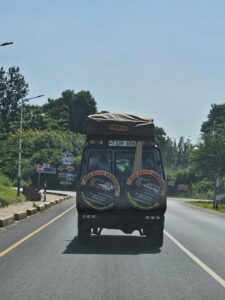
A self-drive safari means renting a 4×4 vehicle and exploring the park independently without a professional guide. Travelers drive themselves through designated safari routes while planning their own routes, accommodations, and schedules.
This style of travel is popular among adventurous travelers who enjoy road trips and independence. Many visitors rent specially equipped safari vehicles with roof tents or camping gear, allowing them to stay in campsites throughout the park.
However, a self-drive safari in the Serengeti requires careful planning, strong navigation skills, and confidence driving in remote wilderness areas.
Advantages of a Serengeti Self-Drive Safari
Freedom and Flexibility
One of the biggest advantages of a self-drive safari is complete freedom. You can explore the park at your own pace without following a strict itinerary.
If you want to spend hours watching a pride of lions or photographing a herd of elephants, you can do so without worrying about a schedule.
This level of independence is appealing for photographers, experienced travelers, and those who prefer spontaneous adventures.
A More Adventurous Experience
Driving through the Serengeti on your own can feel like a true expedition. The excitement of discovering wildlife without assistance creates a strong sense of accomplishment.
Many travelers enjoy the thrill of navigating remote roads, scanning the horizon for wildlife, and finding animals without relying on guides.
For those who enjoy adventure travel, a self-drive safari can be extremely rewarding.
Potentially Lower Costs
Self-drive safaris can sometimes be cheaper, especially for groups sharing the cost of a vehicle.
Instead of paying for a guide and tour operator, travelers typically only cover:
-
Vehicle rental
-
Park entrance fees
-
Accommodation or campsite fees
-
Fuel and supplies
However, it is important to note that costs can still add up quickly due to park fees and fuel expenses.
Privacy and Personal Space
Self-drive safaris provide a private experience. You travel only with the people in your group rather than sharing a vehicle with other tourists.
This can be particularly valuable for couples, families, or photographers who prefer quiet wildlife viewing.
Challenges of a Serengeti Self-Drive Safari

Difficulty Finding Wildlife
The Serengeti is enormous, and wildlife sightings are not always obvious. Professional guides are trained to locate animals and communicate with other guides through radio networks.
Without this expertise, self-drive visitors may miss key wildlife sightings, especially elusive animals like leopards or cheetahs.
Navigation Can Be Difficult
Many roads in the Serengeti are unpaved dirt tracks with limited signage. GPS signals can be unreliable, and some routes may become difficult to navigate during the rainy season.
Getting lost or driving long distances without seeing wildlife can reduce the overall safari experience.
Safety Concerns
Wild animals roam freely throughout the park, and encountering them requires caution and knowledge.
Large animals such as elephants, buffalo, and lions can be dangerous if approached incorrectly. Professional guides understand animal behavior and know how to handle such situations safely.
Vehicle Breakdowns and Remote Conditions
The Serengeti is a remote wilderness area where mechanical problems can be serious. If your vehicle breaks down, assistance may take hours to arrive.
Travelers must carry spare tires, tools, sufficient fuel, and emergency supplies.
What Is a Guided Serengeti Safari?
A guided safari involves traveling with an experienced driver-guide who navigates the park, tracks wildlife, and manages the logistics of the trip.
Most guided safaris are arranged through safari companies based in northern Tanzania, often starting from the safari hub of Arusha.
Guided safaris typically include:
-
A professional driver-guide
-
A customized safari vehicle with a pop-up roof
-
Accommodation and meals
-
Park entry fees
-
Planned safari routes
This option is the most popular choice among first-time safari visitors.
Benefits of a Guided Safari in the Serengeti

Expert Wildlife Tracking
Professional guides possess extensive knowledge of animal behavior and the Serengeti ecosystem. They know where animals are likely to be found and communicate with other guides to share sightings.
This significantly increases the chances of seeing rare wildlife and dramatic predator interactions.
A Safer Safari Experience
Experienced guides understand how to approach wildlife safely and respectfully. They know when animals may feel threatened and how to maintain proper distance.
This expertise ensures both visitor safety and responsible wildlife viewing.
Educational and Insightful
Guided safaris provide an educational experience. Guides explain the complex relationships within the ecosystem, including predator-prey dynamics, migration patterns, and conservation efforts.
Visitors gain a deeper understanding of the Serengeti’s ecology and wildlife.
Stress-Free Travel
One of the greatest advantages of guided safaris is convenience. All logistics are handled by the safari company, allowing travelers to relax and fully enjoy the experience.
From navigating remote roads to arranging accommodation, everything is managed professionally.
Drawbacks of a Guided Safari
Higher Overall Cost
Guided safaris typically cost more because they include transportation, guide services, and organized logistics.
However, many travelers consider the additional expense worthwhile because it enhances the quality of the safari experience.
Less Flexibility
Guided safaris often follow planned itineraries. Although guides can adjust routes depending on wildlife sightings, the schedule may be less flexible than a self-drive trip.
Self-Drive vs Guided Safari: Which Is Better?

Choosing between a self-drive and guided safari depends largely on your travel experience and expectations.
Self-drive safaris are ideal for:
-
Experienced travelers familiar with off-road driving
-
Adventure seekers who enjoy independence
-
Travelers planning longer trips across multiple parks
Guided safaris are ideal for:
-
First-time safari visitors
-
Travelers with limited time
-
Those who want the best wildlife viewing opportunities
-
Visitors seeking comfort and expert guidance
Final Thoughts
A safari in the Serengeti is one of the most extraordinary wildlife experiences on Earth. Whether you choose to explore the park independently or with a professional guide, the vast plains, dramatic landscapes, and incredible wildlife encounters will leave lasting memories.
For most travelers, especially first-time visitors to Africa, a guided safari provides the most rewarding experience, offering expert wildlife tracking, safety, and valuable insights into one of the world’s greatest ecosystems.
However, for adventurous travelers seeking independence and exploration, a self-drive safari can be an exciting and deeply personal way to experience the Serengeti wilderness.
Whichever option you choose, the magic of the Serengeti awaits—where endless plains, roaming wildlife, and unforgettable moments create the safari adventure of a lifetime.