

Serengeti to Victoria Falls Self-Drive Safari: The Ultimate Africa Road Trip Guide
There are road trips, and then there are African overland expeditions that stay with you for a lifetime. A Serengeti to Victoria Falls self-drive safari belongs firmly in the second category. Stretching across East and Southern Africa, this incredible journey combines world-renowned wildlife reserves, spectacular landscapes, welcoming cultures, and one of the Seven Natural Wonders of the World into one unforgettable adventure.
Imagine watching a pride of lions resting beneath an acacia tree in the vast plains of the Serengeti, driving through the lush highlands of southern Tanzania, crossing international borders into Zambia, and ending your expedition beside the roaring waters of Victoria Falls. Along the way, you’ll encounter elephants, giraffes, buffaloes, hippos, zebras, antelope, crocodiles, and hundreds of bird species while travelling through some of Africa’s most breathtaking scenery.
Unlike conventional guided safaris, a self-drive journey gives you complete freedom. You decide when to stop for photographs, how long to spend observing wildlife, where to camp under the stars, and which hidden corners of Africa deserve an extra day of exploration. Every sunrise offers a new destination, and every road promises another unforgettable experience.
Whether you are an experienced overland traveller or planning your first African self-drive holiday, this guide will help you prepare for every stage of the journey—from choosing the right vehicle and planning border crossings to budgeting for park fees and selecting the best campsites along the route.
Why Choose a Serengeti to Victoria Falls Self-Drive Safari?
Many visitors explore either Tanzania or Zambia separately, but combining the two creates one of the most diverse road trips on the continent. This itinerary showcases Africa at its finest, taking you from iconic wildlife destinations to remote wilderness areas rarely experienced by ordinary tourists.
Some of the biggest advantages include:
- Complete travel flexibility
- Incredible wildlife diversity
- Multiple UNESCO World Heritage Sites
- Beautiful lakes, mountains, rivers, and waterfalls
- Authentic cultural experiences
- Excellent camping opportunities
- Freedom to travel at your own pace
- Outstanding photography opportunities
- A true overland adventure across multiple countries
Unlike joining a scheduled safari, self-driving allows you to linger at a leopard sighting, enjoy an uninterrupted sunset overlooking the savannah, or spend an extra day in a national park if wildlife viewing is particularly rewarding.
Overview of the Route
Although there are several ways to reach Victoria Falls from northern Tanzania, the most popular overland route follows major highways while including some of East Africa’s finest safari destinations.
A typical route includes:
- Arusha
- Tarangire National Park
- Ngorongoro Conservation Area
- Serengeti National Park
- Mbeya
- Tunduma Border
- South Luangwa National Park
- Lusaka
- Livingstone
- Victoria Falls
Depending on your interests and available time, optional detours can include Lake Tanganyika, Lake Malawi, Kasanka National Park, Kafue National Park, or even Botswana’s Chobe National Park before reaching Victoria Falls.
Most travellers complete the journey in 21 to 30 days, although a longer itinerary of four to six weeks provides more time to enjoy each destination without feeling rushed.
Trip Highlights
One of the greatest strengths of this expedition is its incredible diversity. Few road trips anywhere in the world offer such a remarkable combination of wildlife, landscapes, and cultural experiences.
Witness the Great Serengeti Ecosystem
The Serengeti is widely regarded as one of the world’s greatest safari destinations. Its endless grasslands support one of the largest concentrations of wildlife on Earth.
Depending on the season, you may witness:
- The Great Migration
- Large lion prides
- Cheetahs hunting across open plains
- Leopards resting in acacia trees
- Massive elephant herds
- Thousands of zebras
- Wildebeest stretching to the horizon
- Hyenas and jackals
- Hippos and crocodiles
Even outside migration season, wildlife viewing remains exceptional throughout the year.
Explore the Ngorongoro Crater
Before leaving northern Tanzania, descending into the Ngorongoro Crater is an experience unlike any other. Formed by the collapse of an ancient volcano, the crater floor contains an extraordinary concentration of wildlife within a relatively small area.
Many visitors manage to see:
- Black rhinos
- Lions
- Buffaloes
- Hippos
- Flamingos
- Hyenas
- Serval cats
- Golden jackals
Because animals rarely leave the crater, game viewing is excellent throughout the year.
Drive Through Tanzania’s Southern Highlands
Leaving the safari circuit behind, the landscape transforms dramatically.
Rolling hills replace open plains, tea plantations appear along the roadside, forests become denser, and cooler mountain air provides a refreshing contrast to the heat of the savannah.
The drive through Iringa and Mbeya is often overlooked by tourists flying between destinations, yet it offers some of the most scenic highways in East Africa.
Experience Zambia’s Untamed Wilderness
Crossing into Zambia introduces a completely different safari atmosphere.
Compared to Tanzania’s famous northern parks, Zambia receives fewer visitors, creating a more remote and authentic wilderness experience.
Highlights include:
- Walking safaris
- Night game drives
- Remote bush camps
- Exceptional leopard sightings
- Wild dogs
- Large elephant populations
- River-based wildlife viewing
Many seasoned safari enthusiasts consider Zambia one of Africa’s best-kept secrets.
End at Victoria Falls
The grand finale of this journey is Victoria Falls—known locally as “The Smoke That Thunders.”
As the mighty Zambezi River plunges over a cliff more than one kilometre wide, visitors witness one of the most spectacular waterfalls on Earth.
Beyond simply admiring the falls, visitors can enjoy:
- Helicopter flights
- Sunset cruises
- White-water rafting
- Canoeing
- Bungee jumping
- Zip-lining
- Cultural tours
- Wildlife cruises
- Scenic viewpoints
- Local craft markets
It is the perfect way to conclude an unforgettable African expedition.
Is This Trip Suitable for First-Time Self-Drive Travellers?
The answer is yes—provided you prepare properly.
While the journey covers long distances and multiple countries, the majority of the route follows well-maintained highways. National parks require slower, more careful driving, but anyone with previous experience driving a four-wheel-drive vehicle should find the trip manageable.
First-time visitors should:
- Allow plenty of travel time.
- Avoid driving after dark.
- Carry offline GPS maps.
- Plan fuel stops carefully.
- Book accommodation in advance during peak season.
- Learn basic vehicle recovery techniques.
- Familiarize themselves with local driving regulations.
Patience is essential. In Africa, wildlife crossings, livestock on the road, and occasional delays at border posts are all part of the adventure.
Choosing the Right Vehicle
The success of any self-drive safari depends heavily on your choice of vehicle.
Although some sections of the journey involve paved highways, national parks and remote roads demand a capable four-wheel-drive vehicle.
A fully equipped safari vehicle should include:
- Four-wheel drive (4WD)
- High ground clearance
- Low-range gearbox
- Reliable diesel engine
- Dual spare wheels
- Heavy-duty suspension
- Long-range fuel capacity
- Air compressor
- Recovery equipment
- Snorkel (recommended)
- Camping equipment (if camping)
- Rooftop tent (optional)
- Fridge/freezer
- Power outlets for charging electronics
The ideal choice is a Toyota Land Cruiser, widely regarded as Africa’s most dependable overland vehicle. Its durability, availability of spare parts, and ability to handle rough roads make it the preferred option for long-distance expeditions through Tanzania and Zambia.
Why a Land Cruiser Is Better Than a Standard SUV
While smaller SUVs may be suitable for city driving or short road trips, they often struggle with corrugated park roads, muddy tracks, and remote conditions.
A Land Cruiser offers:
- Greater ground clearance
- Better suspension for rough terrain
- Higher load capacity
- Improved reliability
- Easier access to spare parts
- Superior off-road capability
- More comfortable long-distance driving
Considering the distance between Serengeti and Victoria Falls, investing in a proper expedition vehicle greatly improves both safety and comfort.
Detailed 28-Day Serengeti to Victoria Falls Self-Drive Itinerary
Although every traveler has different interests, a four-week itinerary provides the perfect balance between wildlife viewing, sightseeing, relaxation, and manageable driving distances. The itinerary below allows enough time to fully appreciate each destination while avoiding long, exhausting days behind the wheel.
Day 1 – Arrival in Arusha
Your adventure begins in Arusha, Tanzania’s safari capital and the gateway to the country’s famous northern parks.
After arriving at Kilimanjaro International Airport (JRO) or Arusha Airport, collect your fully equipped 4×4 rental vehicle. Take time to inspect the vehicle carefully, ensuring you understand how to operate:
- Four-wheel drive system
- Low-range gearbox
- Air compressor
- Recovery equipment
- Camping equipment
- Rooftop tent (if included)
- Fridge/freezer
- GPS navigation system
Spend the remainder of the day purchasing supplies.
Recommended shopping includes:
- Drinking water
- Fresh fruits
- Vegetables
- Snacks
- Meat (if camping)
- Charcoal or gas supplies
- Ice
- First aid items
- SIM card with mobile data
- Cash in Tanzanian Shillings
Arusha offers excellent supermarkets, outdoor equipment stores, banks, and fuel stations, making it the ideal place to prepare before entering the wilderness.
Driving Distance: Airport to Arusha (40–60 km depending on arrival airport)
Accommodation Options
- Budget campsite
- Mid-range lodge
- Luxury safari lodge
- Boutique hotel
Day 2 – Arusha to Tarangire National Park
Leave Arusha early in the morning and drive southwest toward Tarangire National Park.
The road is paved until the park entrance and offers beautiful views of Maasai villages, volcanic hills, and scattered acacia woodlands.
Tarangire is often underestimated compared to Serengeti and Ngorongoro, but many experienced safari travelers rank it among Tanzania’s finest parks.
The park is famous for:
- Massive elephant herds
- Ancient baobab trees
- Lions
- Leopards
- Giraffes
- Zebras
- Wildebeest
- Greater kudu
- Eland
- Hundreds of bird species
During the dry season, thousands of animals gather around the Tarangire River, creating spectacular wildlife viewing opportunities.
Spend the afternoon on your first game drive before checking into your campsite or lodge.
Driving Distance: Approximately 140 km
Driving Time: 2.5–3 hours
Day 3 – Full Day in Tarangire
Dedicate an entire day to exploring the park.
Early morning game drives often provide the best chances of spotting predators before temperatures rise.
One of Tarangire’s greatest attractions is the remarkable concentration of elephants.
It is common to encounter:
- Herds exceeding 100 elephants
- Young calves playing near the river
- Large bulls feeding beneath baobab trees
Bird enthusiasts may record over 300 species, including:
- Yellow-collared lovebirds
- Kori bustards
- Hornbills
- Eagles
- Secretary birds
- Kingfishers
Spend another night inside or near the park.
Day 4 – Tarangire to Karatu
Today’s drive is relatively short, allowing plenty of opportunities to visit local attractions along the way.
Travel through the fertile agricultural region surrounding Karatu, known for coffee farms, wheat fields, and colorful local markets.
Optional activities include:
- Coffee plantation tours
- Cultural visits
- Local craft markets
- Farm experiences
Karatu serves as the gateway to the Ngorongoro Highlands and offers numerous accommodation options.
Driving Distance: Approximately 110 km
Driving Time: Around 2 hours
Day 5 – Ngorongoro Crater Safari
Wake before sunrise and drive toward the Ngorongoro Conservation Area.
Descending more than 600 meters into the crater is one of Africa’s most unforgettable safari experiences.
Because the crater forms a natural enclosure, wildlife densities are exceptionally high.
Animals commonly seen include:
Large Mammals
- Lions
- Buffaloes
- Elephants
- Black rhinos
- Hippos
- Hyenas
- Jackals
Plains Game
- Thomson’s gazelles
- Grant’s gazelles
- Wildebeest
- Zebras
Birdlife
- Flamingos
- Crowned cranes
- Ostriches
- Eagles
- Vultures
Enjoy a picnic lunch beside the famous hippo pool before spending the afternoon exploring different sections of the crater floor.
Return to Karatu for another overnight stay.
Day 6 – Karatu to Central Serengeti
Today marks the beginning of one of Africa’s most iconic road journeys.
The drive through the Ngorongoro Highlands gradually descends into the vast plains of the Serengeti.
Along the way you may encounter:
- Maasai herders
- Giraffes
- Zebras
- Ostriches
- Hyenas
- Elephants
After entering Serengeti National Park, enjoy your first afternoon game drive while heading toward your campsite or lodge in the Seronera region.
Driving Distance: Approximately 240 km
Driving Time: 6–7 hours including wildlife viewing
Days 7–9 – Exploring the Serengeti
Three full days allow you to appreciate the extraordinary diversity of Serengeti National Park.
Depending on the time of year, you may choose to explore different ecosystems.
Central Serengeti
Excellent year-round wildlife viewing.
Common sightings include:
- Lions
- Leopards
- Cheetahs
- Hyenas
- Hippos
- Crocodiles
Western Corridor
Best visited during migration season.
Known for:
- Grumeti River crossings
- Large crocodiles
- Riverine forests
Northern Serengeti
Ideal between July and October.
Highlights include:
- Mara River crossings
- Huge wildebeest herds
- Crocodile encounters
- River crossings by zebras
Southern Plains
Best from December to March.
Features:
- Wildebeest calving season
- Predator action
- Endless grasslands
Wherever you travel, every game drive offers unique experiences.
Day 10 – Serengeti to Mbeya (Transit Day)
Leaving Serengeti behind, begin the long drive toward Tanzania’s Southern Highlands.
This is primarily a travel day.
The landscape gradually changes from open savannah to rolling hills and cultivated farmland.
You will pass through:
- Small villages
- Coffee-growing areas
- Forested hills
- Scenic valleys
Many travelers choose to overnight in Mbeya, one of Tanzania’s largest highland cities.
Mbeya offers:
- Comfortable hotels
- Campsites
- Fuel stations
- Banks
- Restaurants
- Vehicle repair services
This is also an excellent place to restock food and fuel before continuing toward Zambia.
Day 11 – Mbeya to Tunduma Border and Zambia
After breakfast, continue south toward the Tanzanian-Zambian border at Tunduma.
The road is generally in good condition.
Border formalities can take anywhere from one to several hours depending on traffic.
After entering Zambia, continue toward your overnight destination.
The scenery changes once again, with broad valleys, forested landscapes, and rural farming communities replacing Tanzania’s highlands.
Remember to:
- Purchase local insurance if required.
- Exchange currency.
- Obtain necessary road permits.
- Confirm vehicle documentation for cross-border travel.
Day 12 – Drive to South Luangwa National Park
Today’s destination is one of Africa’s finest wildlife reserves.
South Luangwa National Park is internationally recognized as the birthplace of the walking safari and remains one of Zambia’s premier safari destinations.
Unlike some busier parks elsewhere in Africa, South Luangwa retains a wonderfully wild atmosphere.
The Luangwa River attracts enormous concentrations of wildlife throughout the dry season.
Common sightings include:
- Leopards
- Lions
- African wild dogs
- Thornicroft’s giraffes
- Buffaloes
- Hippos
- Crocodiles
- Elephants
Spend the afternoon relaxing at your lodge or campsite overlooking the river.
As darkness falls, the sounds of hippos, owls, hyenas, and lions create an unforgettable African night.
Day 13 – Full-Day Safari in South Luangwa
Dedicate an entire day to exploring this remarkable national park.
Morning and evening game drives provide excellent opportunities to photograph wildlife in soft light.
If available, consider joining a guided walking safari with an armed ranger.
Walking through the bush offers a completely different perspective from driving and allows you to appreciate:
- Animal tracks
- Birdlife
- Insects
- Native plants
- River ecosystems
Leopard sightings in South Luangwa are among the best in Africa, making this a highlight for wildlife photographers.
Why South Luangwa Is Worth Including
Many travelers focus solely on Tanzania’s famous parks, but South Luangwa provides a quieter and more intimate safari experience.
Advantages include:
- Fewer safari vehicles
- Outstanding predator sightings
- Excellent birdwatching
- Authentic wilderness atmosphere
- Exceptional walking safaris
- Beautiful riverside campsites
- Spectacular sunsets
For many overland travelers, South Luangwa becomes one of the most memorable destinations of the entire expedition.
Day 14 – South Luangwa to Lusaka
After an early breakfast, begin your journey toward Lusaka, the capital of Zambia. This is one of the longer driving days of the itinerary, so an early start is recommended.
The route takes you through traditional villages, agricultural landscapes, and stretches of miombo woodland. Along the way, you’ll encounter roadside markets selling fresh fruit, vegetables, honey, handcrafted baskets, and locally made furniture.
Driving in Zambia is generally straightforward, with good tarmac roads connecting the major towns. However, remain alert for:
- Livestock crossing the road
- Pedestrians
- Cyclists
- Speed humps near villages
- Occasional potholes
Taking regular breaks is important, especially on longer driving days. Zambia has several fuel stations along the Great East Road, but topping up your tank whenever possible is a good habit, particularly if you’re heading into remote areas later in the trip.
Spend the night in Lusaka, where you’ll find a wide range of accommodation, restaurants, supermarkets, banks, and vehicle service centers.
Driving Distance: Approximately 700 km
Estimated Driving Time: 9–10 hours
Day 15 – Explore Lusaka or Visit Lower Zambezi National Park
Depending on your schedule, you have two excellent options.
Option 1: Relax in Lusaka
After several days of driving, many travelers appreciate a slower day. Use this time to:
- Restock groceries
- Refuel the vehicle
- Wash clothes
- Organize camping equipment
- Visit local cafés and restaurants
- Perform a quick vehicle inspection
Option 2: Lower Zambezi National Park
If you have additional time, consider a detour to Lower Zambezi National Park, one of Zambia’s hidden safari gems.
The park offers a completely different safari experience compared to the Serengeti.
Highlights include:
- Canoe safaris on the Zambezi River
- Boat cruises
- Fishing excursions
- Walking safaris
- Excellent elephant viewing
- Large buffalo herds
- Hippos and crocodiles
- Beautiful riverfront campsites
Because visitor numbers are relatively low, game viewing often feels exclusive and peaceful.
Day 16 – Lusaka to Livingstone
Today’s drive heads southwest toward Livingstone, Zambia’s tourism capital and home to the magnificent Victoria Falls.
The road is generally in good condition, passing through farming communities, open woodland, and scenic countryside.
As you approach Livingstone, anticipation builds. The Zambezi River, one of Africa’s greatest waterways, begins to dominate the landscape.
After checking into your accommodation, spend the evening relaxing before your visit to the falls.
Driving Distance: Approximately 470 km
Estimated Driving Time: 6–7 hours
Days 17–19 – Explore Victoria Falls
After thousands of kilometers on the road, you have finally reached one of the world’s greatest natural wonders.
Victoria Falls is more than just a waterfall—it’s an adventure destination with activities for every type of traveler.
Walking the Falls
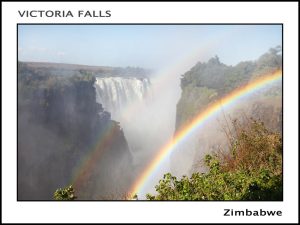
The first activity should always be a guided or self-guided walk along the rainforest trails.
During the high-water season, spray from the falls creates a permanent rainforest, supporting lush vegetation unlike anywhere else in the region.
You’ll enjoy spectacular viewpoints overlooking:
- Main Falls
- Horseshoe Falls
- Rainbow Falls
- Eastern Cataract
- Knife-Edge Bridge (Zambia side)
Expect to get wet, especially between February and June.
A lightweight waterproof jacket or poncho is highly recommended.
Sunset Cruise on the Zambezi River
One of the most relaxing experiences around Victoria Falls is an evening cruise.
As the sun sets over the Zambezi River, you’ll often encounter:
- Hippos
- Crocodiles
- Elephants
- Buffaloes
- Numerous bird species
Most cruises include refreshments while offering spectacular views of the African sunset.
For photographers, this is one of the best opportunities to capture golden-hour wildlife images.
Helicopter Flight – “Flight of Angels”
To fully appreciate the scale of Victoria Falls, consider taking a helicopter flight.
Known as the Flight of Angels, this aerial experience reveals:
- The full width of the waterfall
- The winding Zambezi River
- Batoka Gorge
- Rainforest surrounding the falls
- Islands above the waterfall
The view from above demonstrates why Victoria Falls is considered one of the Seven Natural Wonders of the World.
White-Water Rafting
Adventure seekers should not miss rafting through Batoka Gorge.
The Zambezi River below Victoria Falls features some of the world’s most exciting commercial rapids.
Depending on the season, rafting trips range from half-day adventures to full-day expeditions.
Expect:
- Powerful rapids
- Spectacular canyon scenery
- Professional guides
- Challenging but unforgettable experiences
Devil’s Pool (Seasonal)
During periods of low water, visitors can swim in Devil’s Pool, a naturally formed rock pool located on the edge of the falls.
This activity is only available under safe seasonal conditions and is conducted with experienced guides.
It is one of the most unique swimming experiences in the world.
Cultural Experiences
Livingstone also offers excellent cultural attractions.
Consider visiting:
- Local museums
- Traditional villages
- Craft markets
- Community tourism projects
- Historical sites related to early explorers
These visits provide valuable insight into Zambia’s rich cultural heritage.
Optional Detour – Chobe National Park
If your rental agreement allows cross-border travel into Botswana, extending your trip to Chobe National Park is highly recommended.
Located only a short drive from Victoria Falls, Chobe is famous for:
- Africa’s largest elephant population
- Boat safaris
- Lions
- Leopards
- Buffaloes
- Sable antelope
- Exceptional birdlife
A Chobe River boat safari complements your self-drive adventure perfectly, offering wildlife viewing from a completely different perspective.
Many travelers rank Chobe alongside the Serengeti as one of Africa’s finest wildlife destinations.
Optional Detour – Hwange National Park
If entering Zimbabwe is permitted under your vehicle rental agreement, Hwange National Park is another worthwhile extension.
Hwange is renowned for:
- Large elephant herds
- Painted (African wild) dogs
- Lions
- Cheetahs
- Extensive waterhole wildlife viewing
- Excellent photographic hides
Because it receives fewer visitors than many East African parks, wildlife encounters often feel remarkably exclusive.
Where to Stay Around Victoria Falls

One of the advantages of Livingstone is the wide variety of accommodation available.
Budget Options
Ideal for backpackers and overlanders.
Facilities often include:
- Campsites
- Shared kitchens
- Hot showers
- Secure parking
- Communal areas
Mid-Range Lodges
Perfect for families and couples seeking comfort without luxury pricing.
Expect:
- Private rooms
- Air conditioning
- Restaurants
- Swimming pools
- Wi-Fi
- Guided tour booking services
Luxury Safari Lodges
For travelers celebrating a special occasion, several premium lodges overlook the Zambezi River.
Typical features include:
- River-view suites
- Fine dining
- Infinity pools
- Spa treatments
- Sunset decks
- Wildlife viewing directly from your room
Road Conditions in Zambia
Overall, Zambia’s primary highways are in reasonable condition.
Excellent Roads
- Lusaka to Livingstone
- Lusaka to Chirundu
- Great East Road
Moderate Roads
- South Luangwa access roads
- Lower Zambezi approach roads
Challenging Roads
Some park tracks become:
- Sandy
- Rocky
- Muddy during the rainy season
- Corrugated after long dry periods
Driving slowly significantly improves comfort and reduces vehicle wear.
Fuel Availability
Fuel is generally available in major towns.
Top up in:
- Mbeya
- Tunduma
- Chipata
- Lusaka
- Livingstone
Never assume fuel will be available in smaller villages, and avoid entering remote parks with less than a half tank whenever possible.
Responsible Self-Drive Practices
As you travel through protected areas and rural communities, responsible driving helps preserve wildlife and supports local livelihoods.
Always:
- Stay on designated park roads.
- Respect park speed limits.
- Give wildlife plenty of space.
- Carry out all rubbish.
- Support locally owned businesses where practical.
- Avoid feeding wildlife.
- Follow ranger instructions at all times.
Responsible travel ensures these remarkable destinations remain protected for future generations.
Border Crossings and Travel Documentation
One of the most exciting aspects of a Serengeti to Victoria Falls self-drive safari is crossing international borders. While the process may seem intimidating for first-time overland travelers, it is usually straightforward when you have the correct documentation.
Preparation is the key to a smooth crossing. Before leaving Tanzania, confirm that both your personal travel documents and your vehicle paperwork are complete and valid for every country you plan to visit.
Personal Documents
Ensure you have:
- A passport valid for at least six months beyond your travel dates.
- Sufficient blank passport pages for entry and exit stamps.
- Valid visas where required.
- Printed copies of accommodation bookings (if requested).
- Travel insurance covering multiple countries.
- International vaccination certificates where applicable.
- Multiple photocopies of your passport and travel documents.
Keeping both printed and digital copies of important documents can save considerable time if anything is lost during your journey.
Vehicle Documentation
If renting a vehicle, the rental company should provide all the necessary paperwork for cross-border travel.
Typical documents include:
- Original vehicle registration.
- Cross-border authorization letter.
- Vehicle insurance certificate.
- International motor insurance where required.
- Emergency contact numbers.
- Rental agreement.
- Road assistance information.
Always verify with your rental company which countries you are authorized to visit. Some operators allow travel only within Tanzania, while others permit journeys into Zambia, Botswana, Zimbabwe, Namibia, Kenya, Uganda, Rwanda, or Malawi.
Border Crossing Tips
Border procedures vary slightly between countries, but the general process remains similar.
When arriving at a border:
- Park in the designated area.
- Complete immigration formalities.
- Obtain exit stamps.
- Present vehicle documentation.
- Purchase any required road insurance.
- Complete customs procedures.
- Receive entry stamps into the next country.
Remain patient, courteous, and organized. During busy periods, border crossings may take anywhere from 30 minutes to several hours.
Having small denominations of local currency or US dollars can be useful for administrative fees where card payments are unavailable.
Estimated Driving Distances
Below are approximate distances for the main route.
| Route | Approximate Distance |
|---|---|
| Arusha – Tarangire | 140 km |
| Tarangire – Karatu | 110 km |
| Karatu – Serengeti | 240 km |
| Serengeti – Mbeya | 850 km |
| Mbeya – Tunduma Border | 110 km |
| Tunduma – South Luangwa | 450 km |
| South Luangwa – Lusaka | 700 km |
| Lusaka – Livingstone | 470 km |
Total Approximate Distance: 3,000–3,300 km
Additional detours to destinations such as Lake Malawi, Kafue National Park, Chobe National Park, or Hwange National Park will increase the overall distance.
Estimated Budget
The total cost depends on your travel style, accommodation preferences, vehicle type, and season.
Below is a realistic estimate for a four-week self-drive safari for two travelers sharing one vehicle.
| Expense | Estimated Cost (USD) |
|---|---|
| 4WD Rental | $3,500–5,000 |
| Fuel | $900–1,400 |
| National Park Fees | $1,200–2,500 |
| Camping Fees | $25–60 per night |
| Mid-range Lodges | $120–300 per night |
| Luxury Lodges | $400–1,200+ per night |
| Food & Groceries | $500–900 |
| Border Fees & Insurance | $150–400 |
| Activities at Victoria Falls | Variable |
Travelers who camp regularly can significantly reduce accommodation costs while enjoying an authentic safari experience.
Camping vs Lodge Safaris
One of the greatest advantages of self-driving is the flexibility to combine camping with lodge accommodation.
Camping
Camping places you right in the heart of Africa’s wilderness.
Imagine:
- Falling asleep to roaring lions.
- Waking to birdsong.
- Watching elephants pass nearby.
- Cooking dinner beneath a sky filled with stars.
Advantages include:
- Lower costs.
- Flexible itinerary.
- Close connection with nature.
- Authentic safari atmosphere.
Many public campsites also provide:
- Hot showers.
- Toilets.
- Cooking shelters.
- Secure parking.
- Basic electricity.
Lodge Accommodation
Lodges offer greater comfort after long days of driving.
Typical facilities include:
- Private bathrooms.
- Comfortable beds.
- Restaurants.
- Swimming pools.
- Wi-Fi.
- Laundry services.
- Guided activities.
A balanced itinerary often combines camping in national parks with occasional lodge stays to rest, recharge, and enjoy additional comforts.
Fuel Planning
Fuel management is essential for long-distance overland travel.
Always refill before entering national parks or remote regions.
Reliable fuel stations can generally be found in:
Tanzania
- Arusha
- Karatu
- Mto wa Mbu
- Dodoma
- Iringa
- Mbeya
Zambia
- Tunduma
- Chipata
- Lusaka
- Livingstone
Carrying an additional approved fuel container is advisable for extended park visits or remote routes.
Navigation
Although mobile coverage has improved considerably across East and Southern Africa, do not rely solely on an internet connection.
Carry multiple navigation tools.
Recommended options include:
- Offline GPS applications.
- Downloaded Google Maps.
- Paper road atlases.
- National park maps.
- Compass (optional).
Many experienced overland travelers use two independent navigation systems as backup.
Mobile Networks and Internet
Local SIM cards are inexpensive and provide good coverage in towns and cities.
Coverage becomes limited inside national parks.
Downloading maps before entering remote areas is highly recommended.
Portable power banks and vehicle charging ports ensure your navigation devices remain operational throughout the journey.
Health and Medical Preparation
Long overland expeditions require careful health planning.
Before departure, consult your travel clinic regarding recommended vaccinations and preventive medications.
Pack a comprehensive first aid kit including:
- Pain relief medication.
- Antiseptic cream.
- Bandages.
- Sterile dressings.
- Adhesive tape.
- Anti-diarrheal medication.
- Oral rehydration salts.
- Insect repellent.
- Sunscreen.
- Personal prescription medication.
Always carry enough medication for the entire trip, especially when visiting remote areas where pharmacies may be unavailable.
Essential Packing List
Packing wisely improves comfort throughout your journey.
Clothing
- Lightweight safari clothing.
- Long-sleeved shirts.
- Warm fleece for evenings.
- Waterproof jacket.
- Comfortable hiking shoes.
- Sandals.
- Hat.
- Sunglasses.
Camping Equipment
If not supplied with your rental vehicle:
- Sleeping bag.
- Camping pillow.
- Camping chairs.
- Cooking utensils.
- Cooler box.
- Headlamp.
- Multi-tool.
Photography Equipment
- DSLR or mirrorless camera.
- Telephoto lens.
- Wide-angle lens.
- Spare batteries.
- Memory cards.
- Cleaning kit.
- Tripod.
Vehicle Equipment
Always carry:
- Air compressor.
- Tire repair kit.
- Tow strap.
- Shovel.
- Recovery boards (if available).
- Jumper cables.
- Basic toolkit.
- Spare engine oil.
- Coolant.
- Extra drinking water.
Wildlife Safety
Africa’s wildlife deserves respect.
Follow these simple guidelines:
- Never approach animals on foot unless accompanied by an authorized guide.
- Maintain safe viewing distances.
- Stay inside your vehicle where required.
- Do not feed wildlife.
- Avoid sudden movements around animals.
- Reduce speed near elephants.
- Never block an animal’s escape route.
Respecting wildlife ensures both your safety and the well-being of the animals.
Driving Safety
Road conditions vary considerably throughout the journey.
For safer travel:
- Avoid driving after sunset.
- Watch for wildlife crossing roads.
- Observe local speed limits.
- Keep headlights clean.
- Check tire pressure daily.
- Inspect engine fluids regularly.
- Refuel frequently.
- Carry emergency drinking water.
Driving slowly inside parks not only protects wildlife but also greatly increases your chances of spotting animals.
Responsible Tourism
Responsible travel benefits both conservation and local communities.
You can contribute by:
- Supporting locally owned camps and lodges.
- Hiring local guides where appropriate.
- Purchasing handmade crafts directly from artisans.
- Respecting local customs and traditions.
- Reducing plastic waste.
- Leaving campsites cleaner than you found them.
Small actions by travelers collectively make a significant positive impact on conservation efforts across Africa.
