Tanzania Self-Drive Adventure to Empakaai Crater
A self-drive journey to Empakaai Crater is one of the most rewarding and adventurous experiences in northern Tanzania. Hidden within the spectacular Ngorongoro Highlands, Empakaai offers travelers a chance to escape the more crowded safari circuits and discover a landscape filled with volcanic beauty, mountain forests, Maasai culture, dramatic viewpoints, and peaceful wilderness. For travelers who enjoy road trips, remote camping, hiking, and exploring at their own pace, Empakaai Crater provides a perfect combination of adventure and natural beauty.
Unlike traditional safari itineraries that focus mainly on game drives, a self-drive trip to Empakaai becomes an immersive overland experience. The roads lead travelers through changing landscapes, from the busy atmosphere of Arusha to the fertile farmlands around Karatu and finally into the cool volcanic highlands of the Ngorongoro Conservation Area. Every stage of the journey reveals another side of Tanzania, making the drive itself just as memorable as the destination.
Empakaai Crater remains one of the least visited attractions in northern Tanzania despite being located close to the famous Ngorongoro Crater. Many visitors rush toward Serengeti or descend directly into Ngorongoro Crater without exploring the remote highlands beyond. Those who continue toward Empakaai quickly discover a very different safari atmosphere — quieter, wilder, and far more intimate.
Discovering Empakaai Crater
Empakaai Crater lies within the Ngorongoro Conservation Area, northeast of the famous Ngorongoro Crater. Formed by ancient volcanic activity, the crater stretches several kilometers across and contains a deep alkaline lake at its center. Dense montane forest covers the steep crater walls while open highland grasslands surround the rim. The scenery feels untouched and dramatic, especially during the early morning when mist drifts across the forests and sunlight slowly illuminates the crater lake below.
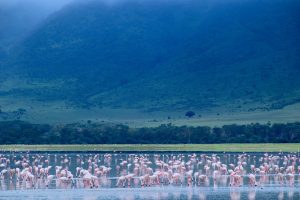
The crater lake attracts large numbers of flamingos that feed on algae in the shallow alkaline waters. Their pink reflections create stunning contrasts against the green forested slopes and dark volcanic walls. Birdlife around the crater is exceptional, making Empakaai a wonderful destination for birdwatchers and photographers.

At over 2,300 meters above sea level, the crater enjoys a cool climate throughout the year. Temperatures can drop significantly at night, particularly during the dry season, creating a refreshing contrast to the warmer safari plains below.
Why Choose a Self-Drive Safari?
A self-drive safari to Empakaai offers a completely different experience from organized lodge safaris. The greatest advantage is freedom. Travelers can move according to their own schedule, stop whenever they want for photography, spend extra time at scenic viewpoints, and explore remote areas without feeling rushed.
Driving yourself through northern Tanzania creates a stronger connection to the landscape. Instead of simply being transported between destinations, you become part of the journey itself. The changing road conditions, dramatic scenery, and isolated wilderness areas add a genuine sense of adventure that many travelers seek when visiting Africa.
Self-driving also allows greater flexibility when planning accommodations. Travelers can choose between campsites, budget lodges, or luxury safari properties depending on their travel style and budget. Camping at Empakaai is especially rewarding because of the crater’s remote setting and beautiful sunrise views.
For couples, families, or groups traveling together, self-driving can also reduce overall safari costs. Sharing vehicle expenses while camping makes it possible to experience Tanzania’s northern circuit more affordably while still enjoying incredible landscapes and wildlife.
The Journey from Arusha
Most self-drive safaris to Empakaai begin in Arusha, Tanzania’s safari capital. Arusha serves as the gateway to the northern parks and offers vehicle rentals, safari equipment, supermarkets, fuel stations, and accommodation options for travelers preparing for their journey.
Leaving Arusha, the road heads west toward Karatu along good tarmac highways. The drive itself is scenic, passing through small towns, coffee plantations, local markets, and rolling agricultural landscapes. Travelers gradually climb toward the Great Rift Valley escarpment while enjoying beautiful views across northern Tanzania.
Karatu is usually the final major stop before entering the conservation area. This busy highland town is an important place to refuel, purchase food supplies, withdraw cash, and complete any last-minute preparations. Once travelers leave Karatu, services become far more limited.
Beyond Karatu, the road climbs steadily into the Ngorongoro Highlands. Temperatures begin to cool as dense forest appears along the roadside. The landscape changes dramatically from cultivated farmland to volcanic mountain scenery, signaling the beginning of the true safari experience.
Entering the Ngorongoro Conservation Area
At the Ngorongoro entrance gate, travelers register and pay conservation fees before continuing into the protected area. The gate area often becomes a gathering point for safari vehicles, guides, and travelers entering the highlands.
The Ngorongoro Conservation Area is unique because it combines wildlife conservation with traditional Maasai pastoralist communities. Throughout the journey, travelers see Maasai herders moving cattle across the plains while wildlife grazes nearby. This coexistence between people and wildlife gives the region a distinctive cultural atmosphere unlike most national parks.
Once inside the conservation area, road conditions become rougher. Gravel tracks stretch across rolling volcanic hills, forests, and open grasslands. During the dry season, roads can become dusty and corrugated, while rains may turn some sections muddy and slippery. A reliable four-wheel-drive vehicle is essential for safe travel.
The Drive to Empakaai
The route from the Ngorongoro highlands toward Empakaai Crater is one of the most scenic drives in northern Tanzania. Travelers pass remote Maasai villages, isolated volcanic hills, and endless grazing lands with spectacular views across the Great Rift Valley.
One of the most remarkable aspects of the journey is the sense of isolation. Unlike the busy safari roads near Ngorongoro Crater, the roads toward Empakaai often feel empty and peaceful. It is possible to drive long distances without seeing many other vehicles, especially during low season.
The highland scenery changes constantly throughout the drive. Thick forests give way to open plains, while volcanic ridges rise dramatically above the surrounding landscape. On clear days, travelers may even see the distant outline of Ol Doinyo Lengai, the sacred mountain of the Maasai and East Africa’s only active carbonatite volcano.
The rough roads require careful driving, patience, and attention. Sharp rocks, deep ruts, and sudden muddy sections can appear unexpectedly. Travelers should drive slowly and avoid rushing, both for safety and to fully enjoy the scenery.
Exploring Empakaai Crater
Arriving at Empakaai Crater feels like discovering one of Tanzania’s hidden natural treasures. The crater rim offers spectacular panoramic views down into the deep volcanic caldera where the lake glows with shades of blue and green beneath steep forested walls.
Unlike Ngorongoro Crater, where most exploration happens by vehicle, Empakaai is best experienced on foot. Guided hikes into the crater provide an intimate connection with the landscape and allow travelers to appreciate the silence and beauty of the forest environment.
The descent into the crater follows a steep trail through dense montane forest filled with birdsong and fresh mountain air. The hike is physically rewarding without being overly difficult for most reasonably fit travelers. Along the trail, guides often point out animal tracks, bird species, and interesting plants found within the crater ecosystem.
At the crater floor, the atmosphere becomes peaceful and almost surreal. Flamingos feed quietly along the shoreline while the surrounding forest rises steeply overhead. The isolation of the crater creates a feeling far removed from the busier safari destinations elsewhere in Tanzania.
The return climb to the crater rim can be more challenging because of the steep elevation gain and high altitude. However, the stunning scenery along the way makes the effort worthwhile.

Camping on the Crater Rim
Camping at Empakaai is one of the highlights of the entire self-drive experience. The campsites sit near the crater rim, offering extraordinary sunrise and sunset views across the volcanic highlands.
The camping experience here is simple and adventurous. Facilities are basic, but that simplicity is part of the attraction. Travelers come to Empakaai for wilderness, scenery, and tranquility rather than luxury.
At night, temperatures often become cold because of the altitude. Travelers gather around campfires while enjoying clear skies filled with stars. The quiet atmosphere, interrupted only by distant animal sounds or the wind moving through the forest, creates an unforgettable safari mood.
Early mornings at the crater are especially beautiful. Mist rises slowly from the forest while golden sunlight illuminates the crater walls and lake below. For photographers, these moments provide some of the finest landscape opportunities in northern Tanzania.
Maasai Culture in the Highlands
The Ngorongoro Highlands are home to Maasai communities who continue traditional pastoralist lifestyles centered around cattle herding. Throughout the drive, travelers encounter Maasai villages, herds of cattle, and brightly dressed warriors moving across the plains.
The cultural presence of the Maasai adds another dimension to the journey. Unlike many safari destinations where wildlife exists separately from local communities, the Ngorongoro region demonstrates a long history of coexistence between people and nature.
Some villages near Empakaai welcome visitors interested in learning about Maasai traditions, architecture, and daily life. Cultural visits may include traditional dances, storytelling, and demonstrations of local customs. Respectful interaction with local communities enriches the overall travel experience and provides valuable insight into the region’s heritage.
Wildlife Around Empakaai
Although Empakaai is not primarily known for large game viewing like Serengeti, wildlife is still present throughout the highlands. Buffalo, bushbuck, blue monkeys, and hyenas occasionally appear around the crater and nearby forests. Elephants sometimes move through the area as well.
Birdlife remains one of the region’s greatest attractions. The crater lake and surrounding forests support numerous species, making the area excellent for birdwatching. Flamingos are the most famous residents, but travelers may also encounter hornbills, sunbirds, crowned cranes, eagles, and many other species.
The combination of forest habitats, volcanic lakes, and open grasslands creates rich biodiversity within a relatively small area.
Best Time for a Self-Drive Safari
The best time for a self-drive journey to Empakaai is during the dry seasons between June and October or from December to February. During these months, roads are generally easier to navigate, skies remain clear, and hiking conditions are more comfortable.
Dry season also improves visibility across the highlands, allowing travelers to enjoy spectacular panoramic views and easier photography conditions.
The rainy seasons from March to May and during November create greener landscapes and dramatic scenery, but driving becomes significantly more difficult. Muddy roads, reduced visibility, and slippery tracks can challenge even experienced drivers. Travelers planning rainy-season trips should ensure their vehicles are properly equipped for difficult conditions.
Combining Empakaai with Other Destinations
One of the advantages of self-driving is the ability to combine Empakaai with other destinations throughout northern Tanzania. Many travelers continue toward Lake Natron after visiting the crater. This remote route passes through some of the most dramatic volcanic scenery in East Africa and offers incredible views of Ol Doinyo Lengai.
Others combine Empakaai with Serengeti National Park or the famous Ngorongoro Crater, creating a safari that blends wildlife viewing with hiking and overland adventure.
Nearby Olmoti Crater also provides another beautiful hiking destination within the highlands. Together, these locations create a more diverse and immersive safari experience beyond the traditional game drive circuit.
Final Thoughts
A self-drive safari to Empakaai Crater offers far more than simply visiting another scenic destination. It is a journey through some of Tanzania’s most dramatic and least explored landscapes. The rough roads, volcanic scenery, Maasai culture, crater hikes, flamingo-filled lake, and remote camping experiences combine to create an adventure that feels authentic and deeply rewarding.
For travelers seeking freedom, exploration, and a closer connection to Tanzania’s wilderness, Empakaai represents one of the finest self-drive experiences in East Africa. The crater’s peaceful atmosphere and spectacular scenery provide a refreshing contrast to the busier safari routes while still delivering unforgettable landscapes and wildlife encounters.
Empakaai remains one of northern Tanzania’s hidden gems, and that hidden quality is exactly what makes it so special.